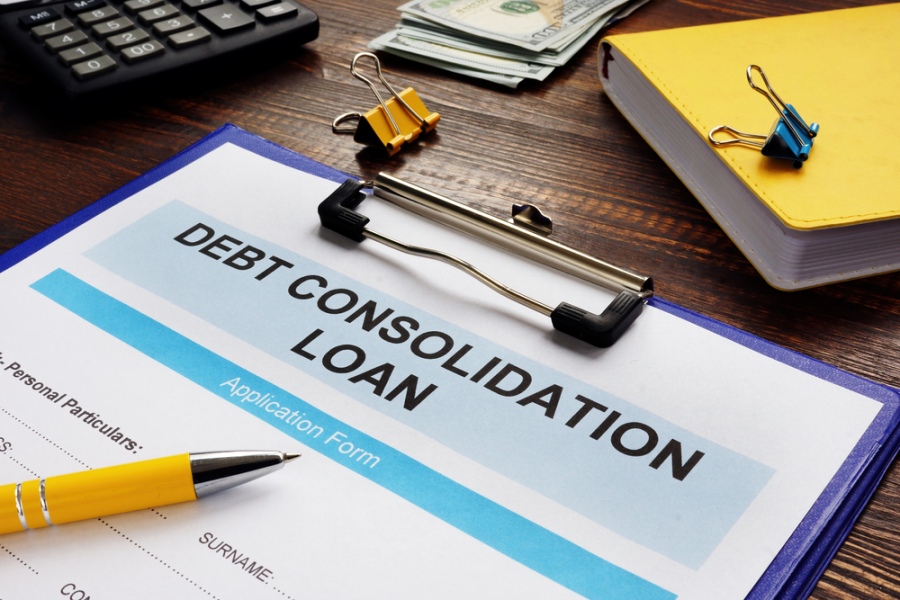

<p>It takes good planning to ensure that you&#8217;re in the best financial shape when you decide to purchase a home, so the transaction goes smoothly. But if you have a heavy debt-load, it can take a lot more than that. You may find that it takes a considerable amount of maneuvering to get your finances just right so that a lender can approve you for a mortgage.</p>
<p>Should you get a debt consolidation loan before <a href="https://haznos.org/2015/buying-your-first-home-important-points-to-consider/">buying a house</a>? That is the type of question potential homebuyers <em>should</em> have to make sure they don&#8217;t delay their dreams. It&#8217;s a good question!</p>
<h2>Debt Consolidation Loans Explained</h2>
<p>In most situations, a debt consolidation loan means having a significant amount of your debt rolled into one payment, so the debt is more manageable. Reducing the number of payments that need to be paid each month is a huge burden relief for potential homebuyers. It is also a fantastic way to reduce the amount of interest you&#8217;re paying on credit cards or high-interest loans. The loan does not always require collateral or a perfect credit score. There are different types of debt consolidation loans, and each one is handled very differently.</p>
<p>Common <a href="https://www.usatoday.com/story/money/2019/06/08/how-consolidate-debt-follow-these-5-steps-using-personal-loan/1374639001/">debt consolidation loans</a> include:</p>
<ul>
<li>Personal Loans</li>
<li>Home Equity Loans</li>
<li>Home Equity Lines of Credit or HELOC</li>
<li>Credit Card Balance Transfers</li>
</ul>
<h2>Moving Forward After Signing a Contract</h2>
<p>After you put in a contract on a home, the next thing you will do is speak with a loan officer or mortgage broker. Most likely, you will submit a loan application. The loan officer will have you list all your debts, liabilities, and assets, as well as your income and other pertinent information. If your debt-to-income is too high to qualify for the mortgage, you might not be able to move forward.</p>
<p>You may think that getting a debt consolidation loan is a good idea. After all, you&#8217;re putting yourself in a better financial position, right? But that is not how the mortgage lender will see it.</p>
<p>As you will learn about <a href="https://www.freedomdebtrelief.com/debtconsolidation/debt-consolidation-loan">debt consolidation loans at Freedom Debt Relief</a>, they can generally be a good idea when chosen and applied carefully. But the rules are different when you&#8217;re buying a house. The mortgage lender wants to see a solvent buyer and a solid financial portfolio. If a lender suspects that you cannot afford the home with the income and liabilities that you currently have, you could be in jeopardy of being approved.</p>
<h2>Options When Your Debt-to-Income is Too High</h2>
<p>If you think that you can accomplish getting a debt consolidation loan without the mortgage lender finding out, think again, you will be unpleasantly surprised. The lender may randomly review your credit file throughout the underwriting process &#8211; and just before closing. If the lender sees a new credit inquiry made <em>in advance or during the process</em>, you will be asked to explain it. In fact, most loan officers will advise you not to apply for any new credit.</p>
<p>Instead of seeking a debt consolidation loan, it&#8217;s more advantageous to be proactive with <a href="https://www.experian.com/blogs/ask-experian/debt-consolidation-vs-debt-restructuring-which-option-is-best-for-you/">a debt restructuring plan</a>. Show the lender, at the time of the application, how you&#8217;re planning to reduce the debt before closing on the home &#8211; without seeking a debt consolidation loan. As long as there is a paper trail and you&#8217;re not borrowing the money to accomplish a better debt-to-income ratio, typically, this is looked upon favorably by a mortgage lender.</p>
<p>It&#8217;s also important to note, if any of your credit obligations have a remaining term of six months or less, such as a car loan or personal loan, then the liability may be deducted from your debt-to-income ratio when underwriting occurs.</p>
<p>Your best option when considering a debt consolidation loan is to get counseling before entering into a contract on a home. If your finances are already on shaky ground, do you really want to risk buying a home without a solid foundation? Asking, &#8220;should you get a debt consolidation loan before buying a house,&#8221; is a good first step in the right direction, as long as you choose the right answer.</p>

Should You Get A Debt Consolidation Loan Before Buying A House?