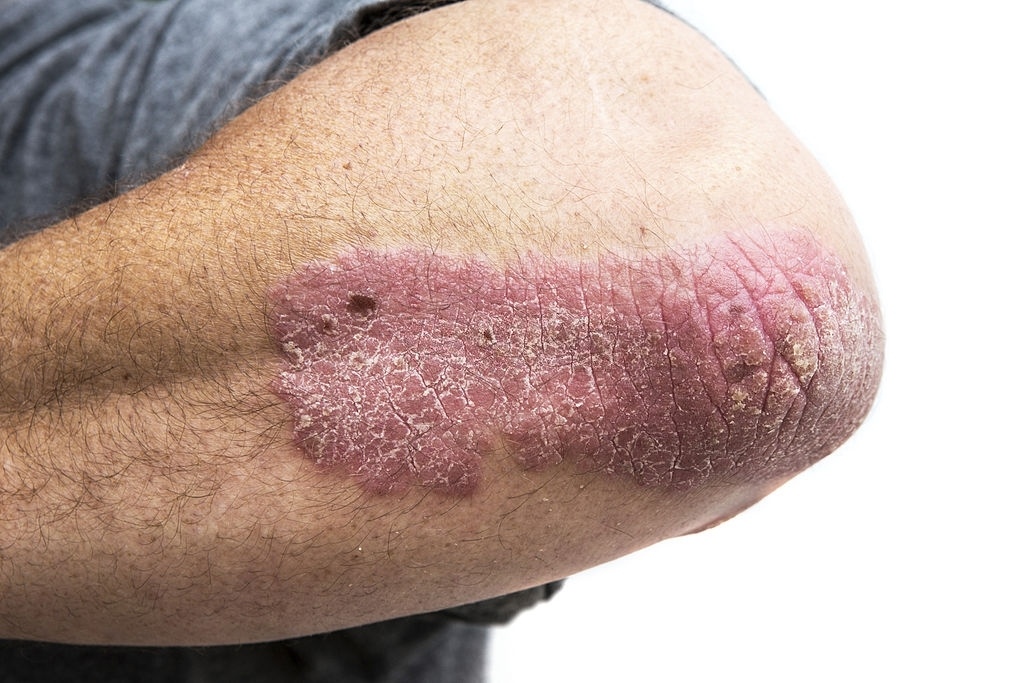

<p style="text-align: justify;"><span style="font-weight: 400;"><a href="http://www.drwongsuni.com.sg/medical-dermatology/psoriasis.html">Psoriasis</a> is a lifelong disease, indicating you&#8217;ll always have the disease. Most people go through phases with no worsening symptoms or events, usually due to a specific cause. If your psoriasis has worsened, you may need to do something to manage your symptoms.</span></p>
<p style="text-align: justify;"><span style="font-weight: 400;">After months of trying new medication and the psoriasis is not improving, it&#8217;s time to make a change. Either you&#8217;ll need to </span><a href="http://www.drwongsuni.com.sg/">see a new dermatologist</a><span style="font-weight: 400;"> or try to check for new ways on how you can treat your psoriasis. Here are the six things to remember here when the symptoms don&#8217;t get any better.</span></p>
<h2 style="text-align: justify;"><span style="font-weight: 400;">Switch new medications</span></h2>
<p style="text-align: justify;"><span style="font-weight: 400;">Finding the best medication for psoriasis can be difficult. Some treatments have unexpected side effects while others will work well for a couple of months and then stop working unexpectedly.</span></p>
<p style="text-align: justify;"><span style="font-weight: 400;">Dermatologists typically start with the mildest medications, and then progress to stronger treatments if the psoriasis does not improve. You may need something stronger or even a mixture of different medications if a drug doesn&#8217;t work or appears to stop working after a while.</span></p>
<p style="text-align: justify;"><span style="font-weight: 400;">However, keep in mind that it is best to try a medication for a few months before assessing whether it is working or not.</span></p>
<h2 style="text-align: justify;"><span style="font-weight: 400;">See a new dermatologist</span></h2>
<p style="text-align: justify;"><span style="font-weight: 400;">There are a lot of factors to consider when it comes to treating your psoriasis. You may be preoccupied with side effects or costs. Maybe you&#8217;d like to find a treatment option that requires less doses every week. All these questions you will be able to discuss with your dermatologist.</span></p>
<p style="text-align: justify;"><span style="font-weight: 400;">The key is to seek a dermatologist who could really work for you. You may want to consider visiting a new dermatologist if you find that your dermatologist doesn&#8217;t make the time to work with you to come up with a treatment plan that suits your needs.</span></p>
<h2 style="text-align: justify;"><span style="font-weight: 400;">Change your diet</span></h2>
<p style="text-align: justify;"><span style="font-weight: 400;">Although not everyone recognizes dietary psoriasis triggers, what you eat could play a role in the severity of your symptoms.</span></p>
<p style="text-align: justify;"><span style="font-weight: 400;">Most of the people surveyed find their symptoms improved with the addition of the following to their diet:</span></p>
<ul style="text-align: justify;">
<li style="font-weight: 400;"><span style="font-weight: 400;">Vegetables</span></li>
<li style="font-weight: 400;"><span style="font-weight: 400;">fish oil or other sources of omega-3 fatty acids </span></li>
<li style="font-weight: 400;"><span style="font-weight: 400;">oral vitamin D supplements </span></li>
<li style="font-weight: 400;"><span style="font-weight: 400;">Probiotics</span></li>
</ul>
<p style="text-align: justify;"><span style="font-weight: 400;">There is no definitive research to support dietary changes to treat psoriasis, but many people are swearing by those changes. It can&#8217;t hurt being healthy.</span></p>
<h2 style="text-align: justify;"><span style="font-weight: 400;">Cut out alcohol</span></h2>
<p style="text-align: justify;"><span style="font-weight: 400;">Drinking alcohol can have a significant effect on your psoriasis, even in tiny quantities, in several different ways. Alcohol can not only cause a flare-up but can also:</span></p>
<ul style="text-align: justify;">
<li style="font-weight: 400;"><span style="font-weight: 400;">Interact with the drug used for psoriasis and reduce its efficacy</span></li>
<li style="font-weight: 400;"><span style="font-weight: 400;">Increase severe side effects of some pharmaceutical products</span></li>
<li style="font-weight: 400;"><span style="font-weight: 400;">Reduce the chance of having remission</span></li>
<li style="font-weight: 400;"><span style="font-weight: 400;">Impair your immune system so your risk of infection increases</span></li>
<li style="font-weight: 400;"><span style="font-weight: 400;">Make your body produce more inflammatory proteins called cytokines that can aggravate your symptoms</span></li>
</ul>
<p style="text-align: justify;"><span style="font-weight: 400;">If you can&#8217;t control your psoriasis, consider cutting alcoholic beverages out of your diet altogether.</span></p>
<h2 style="text-align: justify;"><span style="font-weight: 400;">Get rid of stress</span></h2>
<p style="text-align: justify;"><span style="font-weight: 400;">Stressful situations can easily cause a flare-up of the psoriasis. If tension is affecting your life at the moment, you should consider making changes to alleviate it.</span></p>
<p style="text-align: justify;"><span style="font-weight: 400;">This is particularly true if you find that you take on more responsibilities than you can handle. It may be time to cut back on some of the activities you just don&#8217;t have time for or say no to new activities that are adding too much to your plate.</span></p>
<h2 style="text-align: justify;"><span style="font-weight: 400;">Take a bath daily</span></h2>
<p style="text-align: justify;"><span style="font-weight: 400;">Getting in a warm bath every day can make a huge difference on your skin. To help with itching and irritation, you can also try adding Dead Sea salts, mineral oil, colloidal oatmeal or olive oil. Use a moisturizer after you take your bath to get an added bonus.</span></p>
<h2 style="text-align: justify;"><span style="font-weight: 400;">The bottom line</span></h2>
<p style="text-align: justify;"><span style="font-weight: 400;">There is currently no cure for psoriasis but there are many different treatment options and home remedies available that can help relieve symptoms. In your treatment plan the trick is to be proactive. If your psoriasis does not improve, or it gets worse, then it&#8217;s time to try something else. That could mean a new drug or a change in diet and lifestyle.</span></p>

6 Things To Consider When Your Psoriasis Isn’t Improving