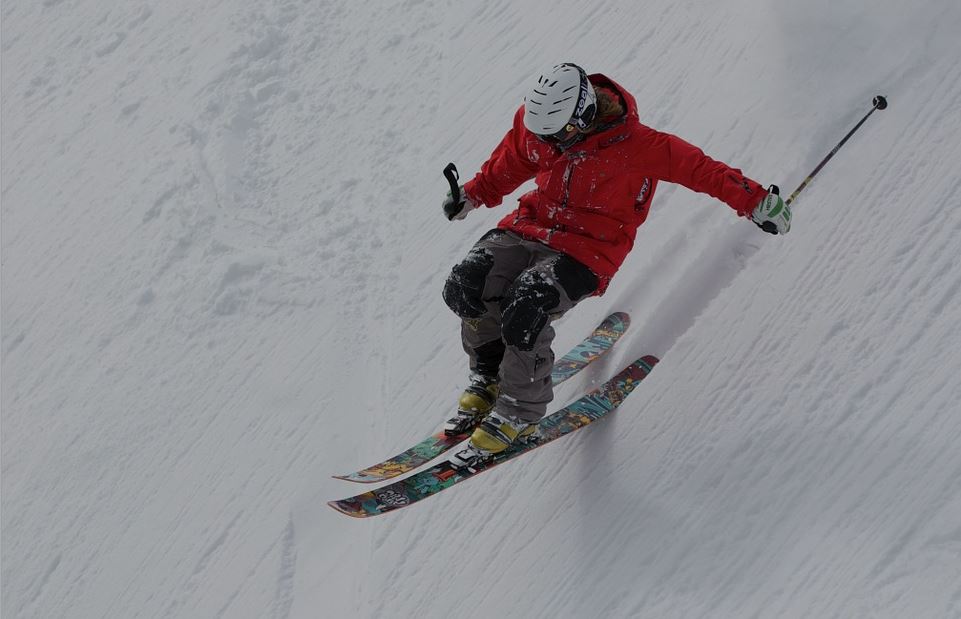

<p>UV rays are dangerous to your eyes and skin, causing lasting damage to both. The rays actually penetrate into the cells of your first layer of skin, killing those cells and leaving that raw, itchy, and even peeling result and causing lasting damage to the layers underneath. A similar effect happens with UV rays hitting the cells of your eyes, slowly degrading your vision over time. Because of this, it’s important to wear sunscreen and sunglasses when going outside and exposing yourself to UV radiation from the sun. What many don’t know, however, is that you need that protecting just as much during winter activities as summer ones. After all, it&#8217;s cold, often cloudy, and the sun is out for a shorter period of time. But you&#8217;re actually exposed to plenty of harmful rays, even if it&#8217;s cloudy out. This is especially true if you&#8217;re going to be outside for extended periods of time, such as when you&#8217;re doing an outdoor sport like skiing or snowboarding. If you&#8217;ve ever wondered why you can get burned in the middle of winter, here are a few reasons.</p>
<h2>Reflection From Snow</h2>
<p>The sun shining down on the beach can give you serious burns, and that’s when most people expect it to happen. However, the same thing that makes sun on the beach extra potent happens in the winter when there’s snow out. On the beach, the water reflects and refracts the sunlight back onto your skin, giving it more intense and more complete exposure to harmful UV rays. Snow is just frozen water and is just as if not more reflective than liquid water. This can have a lasting impact on your eyes and skin. In fact, the rays from the sun when snow is present is more than two times as intense as it otherwise would be.</p>
<h2>Sunlight Penetrating Clouds</h2>
<p>If you thought that cloud cover was protecting you from UV radiation, then think again. Only visible light is blocked by the clouds, whereas UV radiation passes right through. In fact, there are even some types of clouds actually produce higher amounts of UV rays by working as a giant magnifying lense, focusing the rays as they pass through. If the cloud cover is only partial, UV-B rays can be up to 40% more intense. This can trick a lot of people both in the winter and summer, leading to lasting damage built up over time.</p>
<h2>Higher UV Rays and Higher Altitudes</h2>
<p>If you&#8217;re on the slopes on a mountain, you should know that you&#8217;re more likely to be exposed to higher levels of UV radiation. When the sunlight passes through the atmosphere, some of the UV light is filtered out by the atmosphere. When you&#8217;re at higher altitudes, however, the atmosphere through which the UV light is filtered is much thinner, which means the rays that hit you are even more intense. Combine this with the added intensity given by the partial cloud cover and reflecting off of the snow in the mountains, winter athletes are faced with incredible amounts of radiation. The damage to your cells caused by this radiation can cause temporary issues like sun burns, as well as lasting damage like breaking down the collagen in your skin (causing wrinkles and sagging later from damaged elasticity) and the potential for skin cancer. What may have previously been a benign mole is especially sensitive and susceptible, making a cosmetic dermatology care incredibly important to your health and even your life. Experts have found that what happens when the radiation penetrates your cells is that the cell’s DNA is damaged by the UV radiation. Your cells will kill themselves to avoid becoming cancerous, but eventually that mechanism fails and skin cancer can develop.</p>
<h2>How to Protect Yourself</h2>
<p>There&#8217;s overwhelming evidence that shows that you&#8217;re not protected from the sun when you&#8217;re out on the slopes, especially as most people don’t even consider the sun to be a danger in winter conditions. While most of your body is covered by clothing, you need to be wearing plenty of sunscreen. Pick a broad-spectrum sunscreen with an SPF of at least 30, with the highest and most preferable being SPF 100. Apply it 30 minutes before you will be outside, and make sure that you remember to reapply every two hours. You also need to protect your eyes, as they can develop snow blindness from the visible light reflecting off of the snow as well as gradual deterioration from the UV radiation. Invest in a pair of polarized lenses to protect against both. Additionally, you should also consider getting a pair of goggles, as these can protect your eyes from UV rays, the cold, and the potential crash on the slopes.<br />
The sun can damage your skin and eyes, and you shouldn&#8217;t be lulled into a false sense of security just because you’re not feeling the heat. Physical heat has little to nothing to do with the actual burns and damage that the sun causes to your skin and eyes, and so it is the UV radiation, a ray that is not visible to the naked eye, that needs to be protected against. Covering your skin with physical barriers like clothes and lenses, as well as with sunscreen, is essential to your safety and health. Take the time to invest in the proper protective gear and you’ll be greatly reducing your risk of skin cancer and other severe conditions.</p>

Why Even Winter Athletes Need Sunscreen