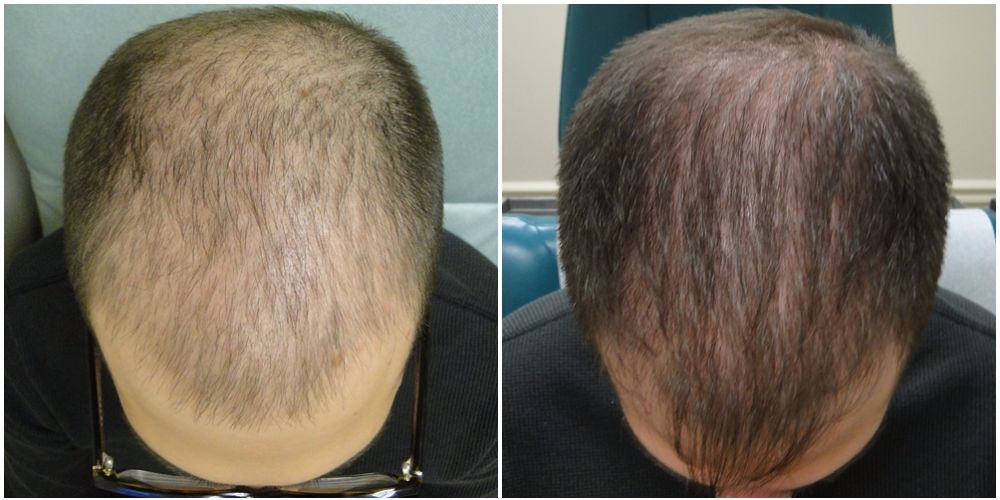

<p>Hair loss is a concern for men and women, and many people are looking for newer and less invasive procedures that can help resolve the condition. While there are medications, both oral and topical, and surgical approaches that can aid in hair growth, newer techniques to resolve hair loss take a more natural approach. Platelet-rich plasma therapy, or PRP therapy, is the latest technique to conquer hair loss. If hair loss is a concern and you&#8217;re interested in a more organic approach to treatment, read on about platelet-rich plasma therapy and how <u>PRP for hair loss</u> can benefit you.<!--more--><br /><img src="https://haznos.org/wp-content/uploads/2019/02/Managing-Hair-Loss-With-PRP-Therapy-1.jpg" alt="" width="1000" height="500" class="aligncenter size-full wp-image-12071" /></p>
<p><strong>The History of PRP Therapy</strong></p>
<p>While using platelet-rich plasma is a recent medical treatment for hair loss, it has been used since the 1980’s in other aspects of the medical field. In the past, doctors injecting a patient&#8217;s own plasma into joints and muscles proved to be an effective therapy for injuries in the specific areas of the body undergoing treatment. PRP therapy is shown to increase blood flow to injured tissues which stimulates the healing process. By increasing blood flow to the affected areas of the scalp, it is believed that <u>PRP therapy for hair loss</u> can help rejuvenate those areas and increase the ability of those hair follicles to produce hair. </p>
<p><strong>The Process of PRP Therapy</strong></p>
<p>PRP therapy is a multi-step medical process. First, blood is drawn from the patient who requires the therapy. By using a patient&#8217;s own serum in the process, there is no risk of catching a disease from another person. This blood sample must then be processed in a centrifuge so that the blood separates into its natural layers: red blood cells, platelet-deficient plasma, and platelet-rich plasma. Once the blood is separated into layers, the platelet-rich plasma portion is removed from the processed sample so that it can be injected into areas of the scalp that need aid with hair growth. When PRP therapy is initially started, these treatments can be scheduled every 4 to 6 weeks, depending on the growth of hair noted at each exam. Over time, as hair growth is established, the treatments can become less frequent, and patients may only need to receive PRP therapy every 4 to 6 months in comparison.</p>
<p>While PRP therapy is sometimes still used in combination with oral medications to enhance the effects of the treatment, it is still considered a more natural alternative to alleviate hair loss in patients.</p>

Managing Hair Loss With PRP Therapy