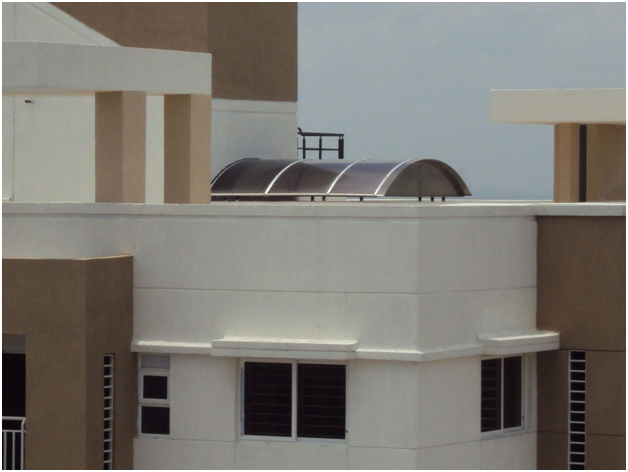

<p style="text-align: justify;">In a constant quest to save energy and make buildings sustainable, the industry is always on the lookout for innovative materials. Polycarbonate has been used in applications such as conservatories for some time; now, it is increasingly finding its way into other areas.</p>
<p style="text-align: justify;">Polycarbonate can be used in a range of commercial and domestic applications, such as providing roofing for buildings or to shelter courtyard and patio areas.</p>
<h2 style="text-align: justify;"><strong>Polycarbonate advantages</strong></h2>
<p style="text-align: justify;">Perhaps the biggest advantage of polycarbonate is that it is immensely strong &#8211; not for nothing are police riot shields made of polycarbonate. Its strength is combined with its lightweight, so the panels are easy to transport and install. This also means they can be used on structures such as sunrooms and carports that would not be able to support a more conventional roofing material.</p>
<p style="text-align: justify;">Polycarbonate panels can be made transparent or translucent, which makes them a popular choice for greenhouses. An added advantage here is that they are resistant to UV light in addition to being able to withstand wind, rain, and changes in temperature. The panels will have a long life without suffering any discoloration or fading, and they won’t warp. They are available in a choice of different colors, so they can suit many architectural styles.</p>
<p style="text-align: justify;"><img class="aligncenter wp-image-30051 size-correct" src="https://haznos.org/wp-content/uploads/2017/10/home1-610x458.png" alt="The Pros and Cons Of Polycarbonate Roofing" width="610" height="458" /></p>
<p style="text-align: justify;">Most polycarbonate roofing panels used in homes and commercial buildings have a double skin, which means they have an insulating effect thanks to the air trapped between the layers.</p>
<h2 style="text-align: justify;"><strong>Polycarbonate disadvantages</strong></h2>
<p style="text-align: justify;">The major disadvantage of polycarbonate is that it tends to be quite expensive; however, it is cheaper than glass or metal, partly because it requires a lighter supporting structure. For lightweight or temporary structures, many designers seek out an alternative such as a fabric roof from a supplier such as http://www.fabricarchitecture.com. These have many of the advantages of polycarbonate and are cheaper. Other alternatives include the use of ABS plastic; however, while this is lower cost, it is not as resistant to the elements as polycarbonate and will have a shorter life.</p>
<p style="text-align: justify;">A further disadvantage that polycarbonate has is that it can get scratched; therefore, it may begin to become opaque or unsightly over the longer term. The surface can also be dented if it is subjected to impact, such as debris hitting the roof in a storm; however, it is very unlikely to break or crack.</p>

The Pros and Cons Of Polycarbonate Roofing