
<p style="text-align: justify;">Some cars need no introduction. They have become such an important part of culture through television and films that their images are instantly recognizable. Fans enjoy watching famous vehicles onscreen, but the end result is the product of long hours by talented set designers and prop makers. From the streets of Gotham to the streams of time, these four iconic vehicles wouldn’t have been possible without hard work and innovation.</p>
<h3 style="text-align: justify;">Delorean Time Machine</h3>
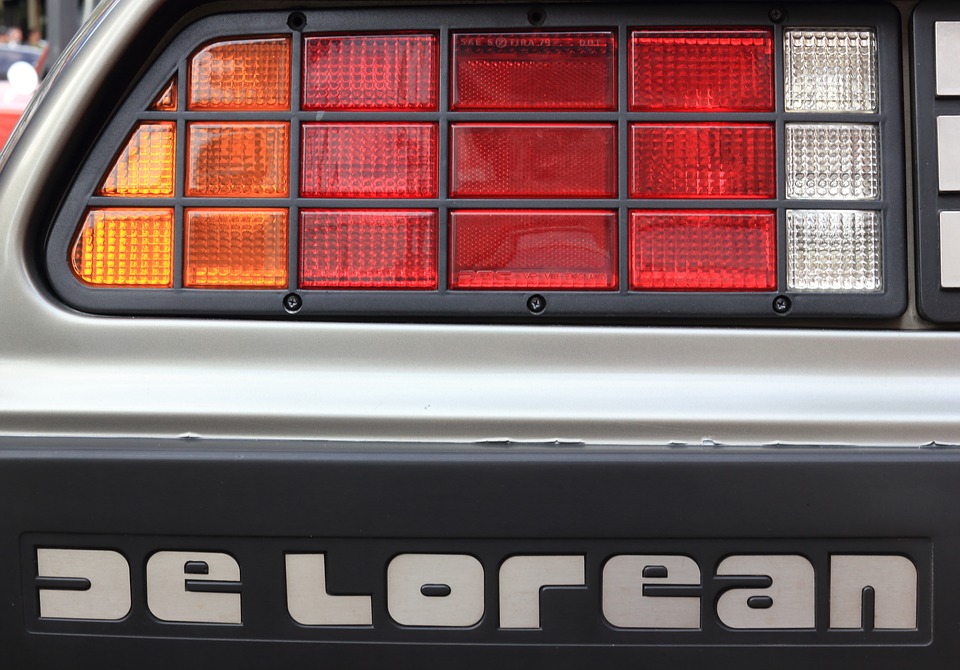
<p style="text-align: justify;">The famous vehicle’s flux capacitor and Mr. Fusion energy reactor might not really take drivers back in time, but Doc Brown’s amazing invention was built around a real car, the DeLorean DMC-12. Fewer than 9,000 models were ever produced by the DeLorean Motor Company, and five of them were used in the <em>Back to the Future</em> films. The DeLorean’s wacky gull-wing doors made it the perfect base for a homemade time machine. Film designers tacked on extras like a fake nuclear reactor and vents. They also added panels of lights and buttons in the car’s interior for a time machine glow.</p>
<h3 style="text-align: justify;">James Bond’s Aston Martin Db5</h3>
<p style="text-align: justify;">7’s most iconic ride, the DB5 began life as a higher powered version of Aston’s Martin’s earlier DB4 model. Special effects maven John Stears outfitted a prototype of the DB5 with bells and whistles for the film <em>Goldfinger</em> in 1964 and instantly created a movie icon. The car was equipped with $33,000 worth of modifications, including fake machine guns mounted on the front bumper.</p>
<p style="text-align: justify;">Other gadgets were decidedly more low tech. During one chase scene, a crew member hid in the trunk of the car and directed smoke out of a small hole to mimic an automatic smoke screen. The design team used a second stunt car for the famous scene where the Bond villain is unceremoniously ejected through the roof. The car was so popular that it went on to make an appearance in seven other films in the Bond franchise.</p>
<h3 style="text-align: justify;">Kitt</h3>
<p style="text-align: justify;">Iconic 1980s TV show <em>Knight Rider</em> wouldn’t have been the same without David Hasselhoff’s trusty computer sidekick, K.I.T.T. who piloted the Knight 2000, the original self-driving automobile. The car was built around the body of that staple of 80s cool, a 1982 Pontiac Firebird Trans Am. Show creator Glen Larson decided he liked the body style of the new Trans Am and determined it would be perfect for his new series.</p>
<p style="text-align: justify;">The series was able to acquire a group of Trans Ams when an auto transport trailer crashed and lightly damaged 32 brand new Trans Ams. While this could have been avoided by using a more reliable auto transport company, like Dependable Auto Shippers Inc., it ended up giving Larson more than enough cars to use on <em>Knight Rider</em>. Visual effects designer Michael Scheffe added a red scanner to the front bumper of the car based on the design for Cylons from <em>Battlestar Gallactica</em>, another one of Larson’s shows. He also filled the car’s interior with light-up electronics for a high-tech feel.</p>
<h3 style="text-align: justify;">Batmobile</h3>
<p style="text-align: justify;">Unlike many other fictional rides, the original Batmobile used in the iconic 1960s series was not based on a commercially available vehicle. Designer George Barris instead used the hand-built 1955 Lincoln Futura, a concept vehicle.</p>
<p style="text-align: justify;">Barris was running on a tight deadline of 15 days and he raced to add extra features to the car. He painted it black with red-orange trim and altered the car tailfins to mimic the look of a bat’s wings. He then installed a steel safety roll bar with pulsating lights over the passenger and driver’s seats. To complete the superhero design, Barris added a large afterburner on to the rear end of the car.</p>
<p style="text-align: justify;">Whether they’re being driven back in time or racing to defeat criminals, these iconic rides have captured the imagination of audiences everywhere. By combining technical know-how with automobile engineering, designers and special effects teams have created the world’s most recognizable characters on wheels.</p>

4 Famous Vehicles from Pop Culture and The Tech behind Them