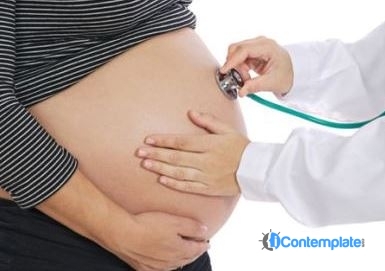

<p style="text-align: justify;">Pregnancy can be a scary time even when things are going well, but when you have been told that your pregnancy is high risk, that can be even more frightening. However, it is important to remember that doctors use the term high risk pregnancy to be sure that you get the special attention you need, such as close monitoring, to minimize the possible health risks that may exist for your baby. There are many reasons why a pregnancy may be labeled high risk and it can put your mind at ease to understand the factors that can lead to such a diagnosis.</p>
<h3 style="text-align: justify;"><strong>Existing Health Conditions</strong></h3>
<p style="text-align: justify;">Existing health conditions can cause a doctors to place your pregnancy at high risk. Some of the health conditions that can lead to pregnancy complications include:</p>
<ul style="text-align: justify;">
<li>High Blood Pressure</li>
<li>Diabetes</li>
<li>Kidney Disease</li>
<li>Polycystic Ovary Syndrome</li>
<li>Autoimmune Disorders</li>
<li>Thyroid Disease</li>
<li>Infertility</li>
<li>Obesity</li>
<li>HIV/AIDS</li>
</ul>
<p style="text-align: justify;">High blood pressure that is not controlled can damage the mother’s kidneys and has been linked to low birth weight and preeclampsia in infants. Women with polycystic ovary syndrome may have difficulty getting and staying pregnant as well as be at a higher risk for gestational diabetes, preeclampsia and premature birth. High blood sugar levels in mothers with diabetes may cause birth defects during the first few weeks of pregnancy while women with kidney disease require specific treatments, including diet and medication, when they are expecting. Some autoimmune disorders, such as lupus, can increase the risk of preterm birth and stillbirths. Infants born to mothers with undiagnosed thyroid disorders may suffer from heart failure, poor weight gain and other birth defects. Therefore, it is important to discuss with your doctor any medical condition that could cause problems for you and your baby. For the majority of these existing health conditions, there are treatments available that can help promote a healthy pregnancy.</p>
<h3 style="text-align: justify;"><strong>Mother’s Age</strong></h3>
<p style="text-align: justify;">The age of the mother can also trigger a high risk pregnancy diagnosis. Teens are more likely to develop high blood pressure and go into labor earlier than older women. In addition, teens are less likely to get proper prenatal care which can lead to additional risks. A mother who is pregnant for the first time after the age of 35 are at increased risk of cesarean delivery, complications such as severe bleeding during delivery or a prolonged labor. In addition, there is a higher incidence of genetic disorders, including Down syndrome, in children born to older mothers.</p>
<h3 style="text-align: justify;"><strong>Lifestyle Factors</strong></h3>
<p style="text-align: justify;">There are two main lifestyle factors that can lead to high risk pregnancy. When you use alcohol during pregnancy, it passes directly to the fetus through the umbilical cord. This can lead to a higher risk of stillbirth or miscarriage. In addition, babies exposed to alcohol before birth have a higher risk of birth defects. Babies may also be born with fetal alcohol spectrum disorder which can cause abnormal facial features, low body weight, short stature, hyperactivity, vision or hearing problems as well as intellectual disability. Women who smoke while pregnant can put their child at risk for preterm birth, birth defects and sudden infant death syndrome. Even secondhand smoke can put a pregnant woman and the baby at risk for health problems.</p>
<h3 style="text-align: justify;"><strong>Pregnancy Complications</strong></h3>
<p style="text-align: justify;">Women who are pregnant with multiple babies have an increased risk of premature birth. Having your first child after 30 or taking fertility drugs increase your risk of having multiple births. Premature birth can lead to breathing problems in some children and many are smaller in size than single births. “Uncontrolled gestational diabetes increases the chance of preterm labor, preeclampsia and high blood pressure,” says Dr. Gilbert Webb. Placenta previa occurs when the placenta attaches low in the uterus rather than high, which is normal. This can place the placenta close to or over the cervix which can lead to bleeding as the cervix dilates, leading to significant blood loss in the mother and, in some cases, the child.</p>
<p style="text-align: justify;">Although there can be many reasons why a doctor determines that your pregnancy is high risk, these are some of the most common problems that can occur. Most of these can be resolved with little or no intervention, but you may be required to undergo additional tests, watch your diet or have more frequent prenatal care than a pregnancy that has not been designated as high risk.</p>

Understanding Factors That Make Your Pregnancy High Risk