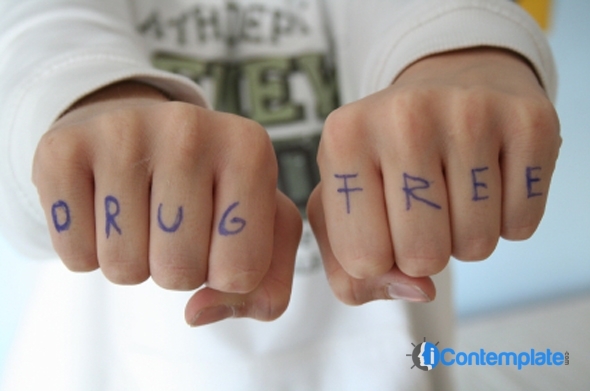

<p style="text-align: justify;">There are about 20 million addicts in the United States at any given time and only a small percentage of them ever seek professional treatment. Many addicts who do seek council do it because they have been talked into it, or want to get friends, family, or their employer off their back.</p>
<p style="text-align: justify;">Treatment professionals will need to know the complete medical history of a given addict, so they can offer a customized rehabilitation plan for each person. However, like most things in life, the individual must make the mental and emotional commitment to go to rehab and once there, buy into the program.</p>
<p style="text-align: justify;">Drug and alcohol rehab runs the gamut from traditional residence programs, to outpatient therapy and counseling, to twelve step programs. There are also several less than reputable rehab practices, such as past-life regression therapy and even exorcism. Obviously, these types of treatments should be avoided in favor of traditional treatments. Most addicts find the most success with a combination of residence and outpatient therapies.</p>
<h3 style="text-align: justify;">The Experience of Rehabilitation</h3>
<p style="text-align: justify;">Drug and alcohol rehabilitation is a very personal process and no two people will experience treatment programs in the same way. As individuals, we have our own perspective, and our memories and experiences will color our perceptions and reactions to different types of treatment.</p>
<p style="text-align: justify;">More serious cases might benefit most from a short residence or in-treatment program where the person is immersed in a treatment environment for 24 hours a day. Other cases will see great results from outpatient treatment and counseling. Inpatient programs are structured to keep a person focused on making progress toward getting better and leaving the inpatient environment. Days are filled with activities such as medical treatment, occupational therapy, physical therapy, psychological care, and group therapy. The specifics of these activities will vary depending on the particular program. Many people who succeed in residence programs are able to maintain their gains by taking advantage of different kinds of outpatient counseling, including psychiatric visits and 12 step programs.</p>
<h3 style="text-align: justify;">Follow Through and Follow-up</h3>
<p style="text-align: justify;">As mentioned above, the focal point of a typical treatment program is always the person seeking treatment. Knowing that you need help is truly half the battle. The kind of treatment you decide on is less important than the mindset you take with you into treatment. Whether a person seeks group counseling or residence treatment, being mentally prepared will be the key to short term improvements and long-term success.</p>
<p style="text-align: justify;">Addicts and their family should be aware that success is difficult to achieve, with a success rate as low as 30 percent: This is not meant to discourage anyone, but to make everyone aware of the real challenges the addict and their family and friends face. Rehabilitation is a long journey for most people with successes and failures along they way. The typical person makes tremendous physical and emotional improvements in treatment. However, there can be a danger in seeking perfect outcomes when good, realistic outcomes will be positive and live-changing for most.</p>
<p style="text-align: justify;"><i>Jacob MacDonald writes on health, wellness, recovery, exercise, nutrition, medical science and other related matters. Those who think they may need rehabilitation should take a look at the compassionate inpatient care at Bay Area Recovery.</i></p>
<p style="text-align: justify;"><i>Image credit goes to Drug &; Alcohol Rehab of Miami.</i></p>

What Is The Typical Rehab Experience Like?