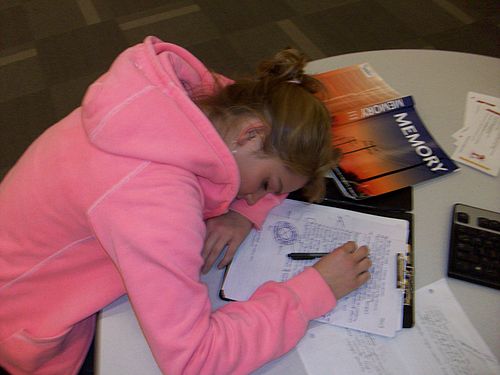

<p style="text-align: justify">School is one of the largest investments a person can make; countless hours spent studying, many foregone activities, and class purchases. There exists two schools of thought, sleep more and study later or study more and forget about sleep; but which pattern is the best?</p>
<p style="text-align: justify">It’s easy to rely on substances like caffeine and energy drinks, but do they really work? While you can continually consume caffeine, it can wreak havoc on your body. Putting substances in your body to cause sleep loss can mess with your body’s internal clock and body workings; but what’s the most efficient way to study?</p>
<h2 style="text-align: justify"><strong>Naps</strong></h2>
<p style="text-align: justify">Naps can help recharge ones batteries and many people do on a daily basis. Naps don’t need to be detrimental to one’s performance or daily workings. Different nap times can actually increase different functions and help provide a needed boost. They can reduce sleep deprivation and allow for proper body repair.</p>
<h2 style="text-align: justify"><strong>15-20 Minute Naps</strong></h2>
<p style="text-align: justify">Fantastic benefits can occur with only 15 to 20 minutes of sleep. A nap of this length can help to “reset the system and get a burst of alertness and increased motor performance.” The typical person can take a quick nap to reduce sleepiness and receive a needed energy boost. A 20 minute nap is often known as a power nap and has two stages. These stages help to increase alertness and motor skills, especially for people in an office environment who type on a computer.</p>
<h2 style="text-align: justify"><strong>30-60 Minute Naps</strong></h2>
<p style="text-align: justify">So what does a longer nap do for the human body? A nap of this length helps to boost memory and stimulate creativity. During 30-60 minute naps, slow wave sleep helps increase decision-making skills. This is helpful for people trying to memorize things like vocabulary or directions.</p>
<h2 style="text-align: justify"><strong>60-90 Minute Naps</strong></h2>
<p style="text-align: justify">What I like to consider full blown sleep, this nap can actually put the body into REM sleep. Anywhere in this range and your brains connections and creative problem solving skills are strengthened.</p>
<h2 style="text-align: justify"><strong>Nap Tips</strong></h2>
<p style="text-align: justify">Regular napping can reduce stress and provide a multitude of health benefits. The body repairs itself during sleep and napping has even been found to reduce heart disease risk. To help aid in sleep be you have to consistent. This entails finding a schedule, hopefully between about 1-3pm, and consistently meeting that time. Make sure to take quick naps and always set an alarm. 30 minutes or less is the magical number to wake up feeling refreshed and have no grogginess. While napping, choose a place like you might at night, nap in the darkness. Prepare your sleep surroundings and stay warm because your body will drop in temperature while you sleep.</p>
<h2 style="text-align: justify"><strong>Jeffrey Ellenbogen of Harvard Medical School</strong></h2>
<p style="text-align: justify">A study conducted at Harvard found great evidence about the positive effects of sleep on memory retention. The first study took subjects and divided them into two groups; each group had to learn 20 pairs of random words. The first group began learning at 9 A.M. and had to test at 9 P.M. while the second group started at 9 P.M. and tested the next morning at 9 A.M. The interesting part of this study demonstrated that both groups actually tested about the same.</p>
<h2 style="text-align: justify"><strong>The Twist</strong></h2>
<p style="text-align: justify">Researchers then adjusted the test to determine how retention was affected with disruption. Both subject groups were made to learn a new set of words 12 minutes prior to testing. The data proved that 76% of the initial pairs were remembered by the sleepers as compared to only 32% of the people who didn’t have time to sleep after studying. This proved that “memories after sleep are resilient to disruption.”</p>
<h2 style="text-align: justify"><strong>The Meaning</strong></h2>
<p style="text-align: justify">In essence, the data proves that sleep is a very important aspect of memory retention and cognitive ability. When learning more than one subject, proper sleeping habits allow the brain to learn and remember much more information than people who do not believe they need to sleep. So the next time anyone wonders if they should just stay up to study, don’t worry about it, you will spend less time studying in the end if you go to bed.</p>
<p style="text-align: justify">Josh McCarthy is from Orlando, Florida. He is a finance major at the University of Central Florida and enjoys trading stock options. He enjoys all athletics and is trying to make money for an engagement ring. Josh has been writing content and blogging at www.21Drops.com for the last two years.</p>

Sleep Or Study? That Is The Question