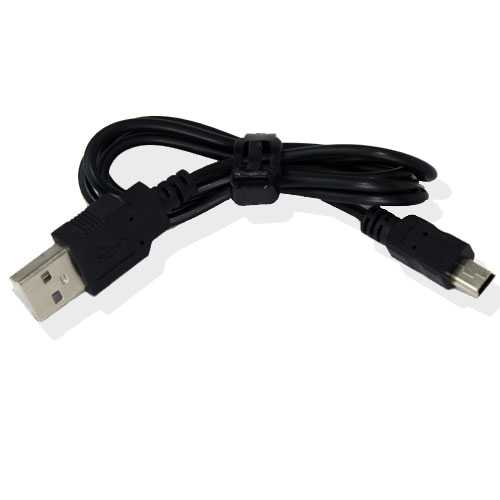

<p style="text-align: justify">For years, tech lovers have grown used to hooking up the familiar USB cable to their computers and other devices. While there have been numerous updates to the USB cable over the years, the physical design has remained much the same. However, recent reports suggest that may be about to change.</p>
<p style="text-align: justify">The USB Implementers Forum, the nonprofit body that promotes and oversees all Universal Serial Bus cables, has released the physical specifications for its next-generation cable, which will use a “Type-C” connector.In addition to providing performance benefits over existing USB cables, the Type-C connector is also designed to provide a better user experience. For one, it is reversible, meaning that both ends of the cable can fit into the same port. In addition, Type C promises to have no top side and no bottom side, so users won’t have to worry about whether or not they are holding the connector correctly when they attempt to plug it in.</p>
<p style="text-align: justify">According to Scottsdale entrepreneur, Jason Hope, (http://sens.org/outreach/outreach-blog/release-internet-entrepreneur-jason-hope-pledges-half-million-dollars-sens) the user-friendly aspects of the new USB connector represents an important step forward for the cable.</p>
<p style="text-align: justify">“We were starting to reach a point where USB was losing relevance in the world of technology,” stated Mr. Hope. “The world had changed so much, with smartphones, tablets and other mobile gadgets starting to take over more and more of the market from PCs. It was clear that we needed a USB cable of the future, and it appears that now we may have it. It’s important that the Type C connectors will work equally well with mobile devices and PCs, because mobile devices are where the majority of the need exists right now.”</p>
<p style="text-align: justify">The USB FI first announced plans for the new cable in December 2013, but the exact physical specifications weren’t announced until now. Industry observers predict that the first devices using the new Type-C cables may be released by the end of the year, in time for the 2015 Consumer Electronics Show. Early devices will probably feature both the new USB port and the older USB port, in order to allow time for consumers to make the transition.</p>
<p style="text-align: justify">The new Type-C cable features a variety of other benefits: it will make an audible click when it’s plugged in correctly, making it easier for a user to know when they&#8217;ve plugged in the cable correctly. It is also designed to be durable: according to the USB FI, consumers will be able to plug and unplug each cable 10,000 times without causing damage to the connectors.</p>
<p style="text-align: justify">The new connectors will be smaller than existing USB connectors, but larger than the Micro-USB connectors currently used in mobile phones and other devices. This detail is significant, because it will hypothetically allow the cables to connect equally well with PCs and smaller devices. The standard length of the USB cables will not change from previous versions.</p>
<p style="text-align: justify">While the next-generation Type C cable will likely become the new standard for connecting devices in coming years, there are many in the technology industry who still consider wireless data transfer technology as the future of USB. However, USB cables have numerous advantages over wireless USB, including the ability to charge and control devices, and the ability to conduct data transfers at much higher speeds. While wireless transfer speeds can reach one gigabit per second under optimum conditions, cabled transfer speeds can reach as high as ten gigabit per second.</p>
<p style="text-align: justify">A failed push to institute wireless USB data transfer last decade also took some of the enthusiasm out of wireless, but according to Jason Hope, many people still seem to think of it as the future, simply because of the fact that it seems more futuristic than cables do.</p>
<p style="text-align: justify">“I think it says a lot that we tried wireless in the past, and it never caught on. There are certain times in technology when you just have to learn from the past and move one. Wireless USB will always have its niche applications, but when it comes to supporting the future, a future dominated by mobile devices, cables are going to be what we continue to rely on. They may seem old and boring to some, but they still have a number of benefits that wireless USB simply can’t match.”</p>
<p style="text-align: justify">About Author: Amy Taylor is a business and technology writer. Amy began her career as a small business owner in Phoenix, AZ. She enjoys writing about business technology trends. When she isn’t writing, she enjoys hiking with her Alaskan Malamute, Sam.</p>

New USB Cables Could Be On The Market As Soon As Late 2014