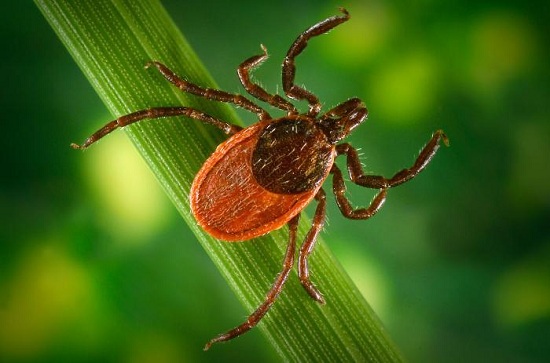

<p style="text-align: justify">Summer is still a long way off, and yet many are already planning a vacation to avoid the harsh cold of winter. However, traveling to countries near the equator can put you at risk for insect bites. In a featured study in <em>Medical News Today</em>, researchers noted that when bugs bite you, they release saliva that induces inflammation and can irritate your skin.</p>
<p style="text-align: justify">Some of the most common culprits include:</p>
<ul style="text-align: justify">
<li>Mosquitoes</li>
<li>Fleas</li>
<li>Flies</li>
<li>Bedbugs</li>
<li>Spiders</li>
<li>Ticks</li>
</ul>
<p style="text-align: justify">While many of them may seem harmless, some species of bugs are carriers of serious diseases. For instance, mosquito bites can increase your risk for malaria, yellow fever, dengue fever, encephalitis, and West Nile virus. The best way to lower your risk of contracting such bites is by avoiding contact with them completely.</p>
<h2 style="text-align: justify"><strong>How to Stay Mosquito Bite-Free</strong></h2>
<p style="text-align: justify">Insects are most active around dawn and dusk, so you should stay indoors during this time to avoid being bitten. In case you need to go out during those times, cover your skin by wearing long-sleeved shirts, long pants, hats, and socks. Your clothes should be light-colored as well.</p>
<p style="text-align: justify">You’re most likely to be a target for mosquitoes if you’re sweating due to strenuous activities like exercise. Mosquitoes are attracted to high body temperatures and lactic acid. If you’re in an area that bugs frequent, staying cool and dry may help. Eating bananas may also attract bugs, as they are attracted to how your body metabolizes banana oil.</p>
<p style="text-align: justify">Be wary of your surroundings, as there may be certain things that contribute to the breeding of insects. An example is stagnant water, which is needed by mosquitoes to breed. Drain all sources of standing water, including gutters, garbage bins, spare tires, bird baths, and pet bowls.</p>
<p style="text-align: justify">Using a mosquito repellent may also help, but it is crucial you avoid the ones that contain chemicals, especially DEET and permethrin.</p>
<h2 style="text-align: justify"><strong>Dangerous Repellents You Should Avoid</strong></h2>
<p style="text-align: justify">DEET or N,N-diethyl-meta-toluamide is found in over 200 products, including insect repellents, with concentrations up to a hundred percent. This chemical is capable of melting plastic or fishing lines.</p>
<p style="text-align: justify">According to research, prolonged exposure to DEET can negatively impact cell function in your brain. Children are most susceptible to the negative effects of DEET because their skin better absorbs elements from their environment. Other side effects linked to DEET exposure include:</p>
<ul style="text-align: justify">
<li>Headaches</li>
<li>Tremors</li>
<li>Shortness of breath</li>
<li>Muscle fatigue and weakness</li>
<li>Muscle and joint pain</li>
</ul>
<p style="text-align: justify">Permethrin, a part of the synthetic pyrethroid family, is another hazardous chemical found in insect repellents. The Environmental Protection Agency (EPA) reports that permethrin is a carcinogen that can cause lung tumors, liver tumors, immune system problems, and chromosomal abnormalities.</p>
<p style="text-align: justify">This chemical can also wreak havoc on the environment, specifically bees and aquatic life. A few drops of permethrin can be toxic to your cat. So be careful not to use topical flea products with this chemical on your felines.</p>
<p style="text-align: justify">You should avoid all bug sprays with these chemicals and choose a natural bug repellent instead.</p>
<h2 style="text-align: justify"><strong>Effective Natural Insect Repellent Options</strong></h2>
<p style="text-align: justify">Natural alternatives to DEET and permethrin include natural oils and botanicals. They can ward off insects without harming your health. You can even make your own bug spray by using natural ingredients like:</p>
<ul style="text-align: justify">
<li>Citronella essential oil</li>
<li>Clear liquid vanilla extract mixed with olive oil</li>
<li>Catnip oil</li>
<li>Cinnamon leaf oil</li>
</ul>
<p style="text-align: justify">All of these have been proven to be more effective than DEET. You can also combine citronella, lemongrass oil, peppermint oil, and vanillin. The end product acts as a strong bug spray that can repel not only mosquitoes but also fleas, chiggers, ticks, and other insects that bite.</p>
<p style="text-align: justify">If you’ve been bitten, do not rely on chemical products to reduce swelling or relieve itching. Instead, below are natural products that have antifungal, antibacterial, and anti-inflammatory properties. They’re good for the skin and smell good, too:</p>
<ol style="text-align: justify">
<li>Aloe vera</li>
<li>Calendula</li>
<li>Chamomile</li>
<li>Cucumbers</li>
<li>Raw organic honey, like Manuka honey</li>
<li>Lavender</li>
<li>Neem oil</li>
<li>Tea trea oil</li>
<li>Basil</li>
<li>Lemon and lime</li>
<li>Peppermint</li>
</ol>
<p style="text-align: justify">Jennifer Cohenn is an outdoor enthusiast. She is currently reading about chemical-free mosquito repellent alternatives. She gets information on natural health by reading online resources like Dr. Joseph Mercola’s natural health newsletter.</p>

Natural Agents That Protect You Against Bug Bites