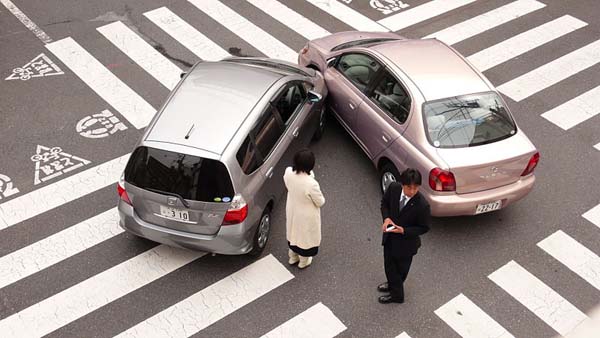

<p style="text-align: justify">Automobile accidents are the most common type of transportation incident in the United States. The number of cars on the road and the constant commuting across the major urban cities throughout the U.S. make traveling an unknown danger in our everyday lives. Just like we assume the plane that we get on for long-distance travel will not crash, every day we assume that our car travels will be safe without a second thought.</p>
<p style="text-align: justify">But accidents do happen – and they often happen. There are more than 6 million automobile accidents in the United States each year causing a good amount of insurance claim filing throughout the year.</p>
<p style="text-align: justify">The first tendency after an accident is to point fingers and defend oneself against the other driver involved in the accident – causing the police to ultimately make the verdict on fault. But there are ways to determine who is truly at fault during accident events by understanding what is considered faulty driving and understanding the most common types of accidents.</p>
<h2 style="text-align: justify"><strong>The Steps to the Truth</strong></h2>
<p style="text-align: justify">Determining who is at fault in an automobile accident is essential to deciding who pays and who doesn’t. The insurance companies want to know who was at fault and will argue and fight with other insurance companies to keep their best interests in mind. Therefore, you need to have evidence, witnesses, and reports to help your cause in obtaining money.</p>
<h2 style="text-align: justify"><strong>Breaking the Law</strong></h2>
<p style="text-align: justify">Florida, for example, is a no-fault state during an accident. This means that if there is an accident where no one has broken the law in causing the accident, no one is at fault. But for major highways and roads, insurance will want to investigate the faulty party. As stated before, witnesses, damage pictures, and police citations will act as evidence in the fault and payout percentage of each insurance company. If the at fault party breaks a major law, such as running a red light and crashing into someone, they will be 100% at fault. Any citation from the police officer will help fortify your case, despite whether or not the infraction was mild or severe.</p>
<h2 style="text-align: justify"><strong>Understand the Most Common Accidents</strong></h2>
<p style="text-align: justify">Rear end collisions are some of the most common collisions that occur, and even though someone may have break checked you or stopped abruptly, you may still be a fault for hitting them in the rear. The same goes for left hand turns, where the driver is making the turn must yield to oncoming traffic. If you are rear-ended, the other party is most likely at fault, but if you get T-Boned for a left turn then you may be at fault for darting out in traffic, usually resulting in a more significant accident. It seems unfair that a car running into you head on as you’re in a defenseless position would be your fault, but these are the rules of the road.</p>
<h2 style="text-align: justify"><strong>Witnesses and After Crash Investigation</strong></h2>
<p style="text-align: justify">Many spectators will become witnesses to the crash and will interview with police after an accident has occurred. Make sure to ask anyone if they will be willing to speak on your behalf in front of the officer on the record for your claim. Also, if the other driver seemed intoxicated, was texting, or was otherwise distracted when the accident occurred, you may be able to use this to strengthen your case. That is why it’s important to never drink and drive – as terrible as it sounds – even if you are hit by a person and not at fault you will still be at fault and insurance companies will be hesitant to pay out.</p>
<h2 style="text-align: justify"><strong>Be Careful What You Say</strong></h2>
<p style="text-align: justify">Anything that you say can and will be used against you. Saying words like, “I was distracted,” or “I was speeding,” will never help your cause and police officers will put this in the report. Insurance companies deal with thousands of claims a day throughout the country, so they just want a reason to find fault, payout, and get on with business. Any negative comments that you make will surely cost you and push the fault in your direction.</p>
<p style="text-align: justify">References:</p>
<p style="text-align: justify">DMV.org</p>
<p style="text-align: justify">NOLO</p>
<p style="text-align: justify">Matthew Hall is a legal consultant who works in the law offices of David Heil. You can find additional examples of his work at Google+.</p>

How To Determine Who’s At Fault After A Car Accident