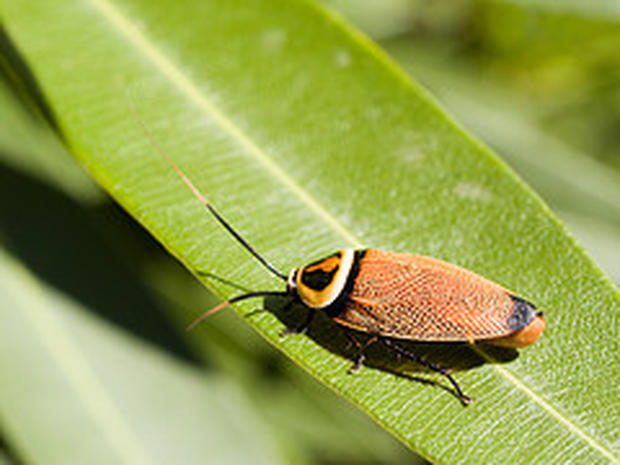

<p style="text-align: justify">Nothing inspires disgust quite like the cockroach. With the ability to stick around without a head and survivability to see the end game of a nuclear war, these are the pests of nightmares. The Surinam roach is no different.</p>
<p style="text-align: justify">Interestingly, the Surinam Cockroach is rarely considered an infesting pest, they prefer to live outdoors. However, it is not uncommon for the roach to accidently be brought inside the home via a houseplant. The species generally lives in soil and has been known to inhabit the southern region of America, including Texas, Louisiana, parts of Virginia and Florida. However, they are also known to inhabit many parts of Europe and Indo-Malaysia.</p>
<h2 style="text-align: justify"><strong>Recognizing the Surinam Cockroach</strong></h2>
<p style="text-align: justify">The species looks similar in size to most other cockroach species, measuring approximately three-fourths of an inch in length. The females will often have olive green wings and are easily marked by their shiny black heads and bodies. The Surinam roaches dwelling in the United States are only female, they reproduce asexually. Males have been reported in Europe. It is much less common for the males to be winged, however it is not impossible. The species have broad bodies and short, powerful legs for digging into soil.</p>
<h2 style="text-align: justify"><strong>Surinam Roaches in the Home</strong></h2>
<p style="text-align: justify">Once inside, these insects can be a major pest. They often destroy any and all houseplants and can be detrimental if infesting a greenhouse or atrium. To humans, however, they pose very little threat. They are not an aggressive species and prefer to hide if given the opportunity. They are not recorded to be a biting insect.</p>
<p style="text-align: justify">The best way to prevent the insects from entering a home is to seal off any crevices in a buildings foundations, including any opening into the attic and basement. Vents should be covered securely by screens. Always be sure to carefully inspect plants before bringing them into the home, especially in the soil around the roots.</p>
<h2 style="text-align: justify"><strong>Getting Rid of the Surinam Cockroach</strong></h2>
<p style="text-align: justify">Dealing with the Surinam cockroach is as difficult as dealing with any other species of roach. They are resilient and stubborn, usually requiring professional assistance in their absolute removal. However, there are some steps that can be taken to deal with the infestation before having to pay for an exterminator.</p>
<p style="text-align: justify">One of the most common ways to deal with roaches is to use the bait and insecticide method. Placing large bait stations or sticky traps near the base of the household plants can often be successful at capturing the insects as they attempt to exit the plant. Exterminators will often recommend the usage of a granular cockroach bait when baiting the roach and a residual insecticide when spraying house foundations. When baiting, be sure to purchase a bait that is water-resistant and place near flowerbeds the pests are known to be affecting. This same insecticide can help ward off the roach by being placed in mulch and on woodpiles. As with most cockroach species, treating the barriers of a home with a recommended insecticide can often keep the species outside. Liquid insecticide can be used to soak the soil in which it is believed the roaches have been burrowing.</p>
<p style="text-align: justify">Another sure way to get rid of the Surinam roaches invading a house is to simply remove any plant that is currently being infested. Taking the plan outside and treating it elsewhere will often not only help get rid of the pest but also save the plant. Lastly, clear up any potential hiding places near the outside of your house. Remove any dead leaves the roaches could be hiding in and stack firewood on a rack.</p>
<p style="text-align: justify">However, if you feel the roaches are spreading too rapidly for do it yourself extermination, always call a professional.</p>
<p style="text-align: justify">Pete Kontakos enjoys writing about green tips and tricks, fitness and pets.</p>

How Do You Control The Surinam Roach?