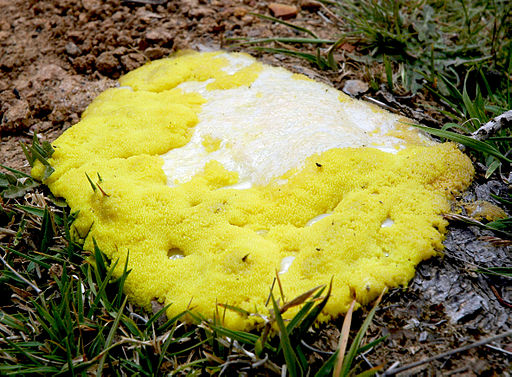

<p style="text-align: justify">Molds are ubiquitous in nature and cause health hazard to humans. Though molds are common components of workplace and household dust, they produce certain toxins known as mycotoxins that lead to serious health problems. People who are exposed to high levels of mycotoxins tend to suffer from neurological problems and at times it even leads to death.</p>
<h2 style="text-align: justify"><strong>Inspection of molds</strong></h2>
<p style="text-align: justify">The premises that are inspected for presence of molds is first visually assessed to know if there are molds present. Visual mold growth and odor are two important factors that are used for mold growth inspection. There are various types of molds and each one need different methods of assessment and remediation. To know the various types of molds visit http://en.wikipedia.org/wiki/Mold_growth,_assessment,_and_remediation</p>
<p style="text-align: justify">Two methods are used for mold inspection, non-intrusive and intrusive methods. Non-intrusive methods include visual assessment of molds and intrusive methods are used to know the level of contamination of molds. Intrusive methods include careful examination of areas that are rich in moisture content and involve inspection behind furniture, below the carpets, behind wallpapers etc.</p>
<p style="text-align: justify">This is followed by sampling of the molds to find out the type of molds and to predict effective methods of remediation.</p>
<h2 style="text-align: justify"><strong>Sampling of molds</strong></h2>
<p style="text-align: justify">Three types of mold sampling methods are used and these include</p>
<ol style="text-align: justify">
<li>Air sampling method: This method is used mostly to identify molds that are invisible. The air within and outside the premises are checked for the spores and the results are then compared to come out with a result.</li>
<li>Surface samples: indoor surfaces are inspected and molds that are deposited on various surfaces are collected for sampling.</li>
<li>Bulk samples: This involves usage of contaminated material to analyze the amount of contamination and the concentration of mold.</li>
</ol>
<h2 style="text-align: justify"><strong>Mold Remediation</strong></h2>
<p style="text-align: justify">Common remedies to prevent further enhancement in mold growth includes stopping the source of moisture and here are few ways to prevent mold growth</p>
<ul style="text-align: justify">
<li>Effective ventilation</li>
<li>Making way for entry of sun-light</li>
<li>Usage of wall insulation materials</li>
<li>Cleansers</li>
<li>De-Humidifiers</li>
</ul>
<p style="text-align: justify">Methods like ozone treatment and fungicides may not be effective on molds. Effective methods of mold treatment include removal of affected building materials, eradicating the source of moisture and replacing with insulated materials.</p>
<h2 style="text-align: justify"><strong>Removal of molds</strong></h2>
<p style="text-align: justify">Molds that are remediated still contain chemicals and certain proteins that are harmful to humans. Therefore, it is essential to remove dead molds.</p>
<p style="text-align: justify">While removing molds at most care has to be taken in-order to prevent the breathing in of molds. So it is vital to wear a respirator, which is P-100 rated. Gloves that are made of polyurethane or neoprene are to be worn and goggles are vital to prevent entry of molds into the mucous membrane.</p>
<h2 style="text-align: justify"><strong>Various methods for mold removal includes</strong></h2>
<ul style="text-align: justify">
<li>Soda blast: This is also known as dry ice blasting method and involves use of soda for removal of molds from wood and cement materials.</li>
<li>Vacuum: This involves wet vacuum method that removes excess moisture.</li>
<li>Damp-wipe: Involves removal of molds from non-porous surface by scrubbing using detergents.</li>
</ul>
<p style="text-align: justify">These are just few effective methods for mold removal. The main cause of mold is moisture and preventing excess moisture will prevent mold formation.</p>
<p style="text-align: justify">The author Nicole Wagner is a Microbiologist with immense understanding of molds and their ill-effects. The author has also undertaken various researches for mold inspection and remediation and this article is the result of one such research. Looking for the best mold removal company in the St. Louis area? Look no further than the mold removal experts at Mold Solutions. Every one of our skilled mold removal specialists is highly trained in our proven mold remediation and prevention solutions.</p>

Guide To Inspection, Remediation And Removal Of Molds