
<p style="text-align: justify">Google has quickly become the largest smartphone operating system provider on the globe since they released their Android operating system in 2008. Of the 250 million smartphones sold in Q3 of 2013, over 80% were Android devices. Android’s overwhelming dominance in the smartphone market is the result of a number of key factors.</p>
<p style="text-align: justify">The Android operating system is open-source, which means manufacturers can develop apps and hardware utilizing the OS with relatively little overhead. This means there are a vast number of hardware options, suiting virtually every possible consumer need. Not only does include the ability to make bleeding-edge devices such as the Galaxy S5 but also budget devices that are highly popular in emerging economies such as India, where disposable income is increasing but is still far lower than in countries like the United States.</p>
<p style="text-align: justify">Additionally, the software behind Android is highly customizable. This has created a robust aftermarket for techies to create highly personalized devices. The combination of inexpensive hardware and highly customizable software are two of the leading reasons Android has eclipsed the iPhone in the international market.</p>
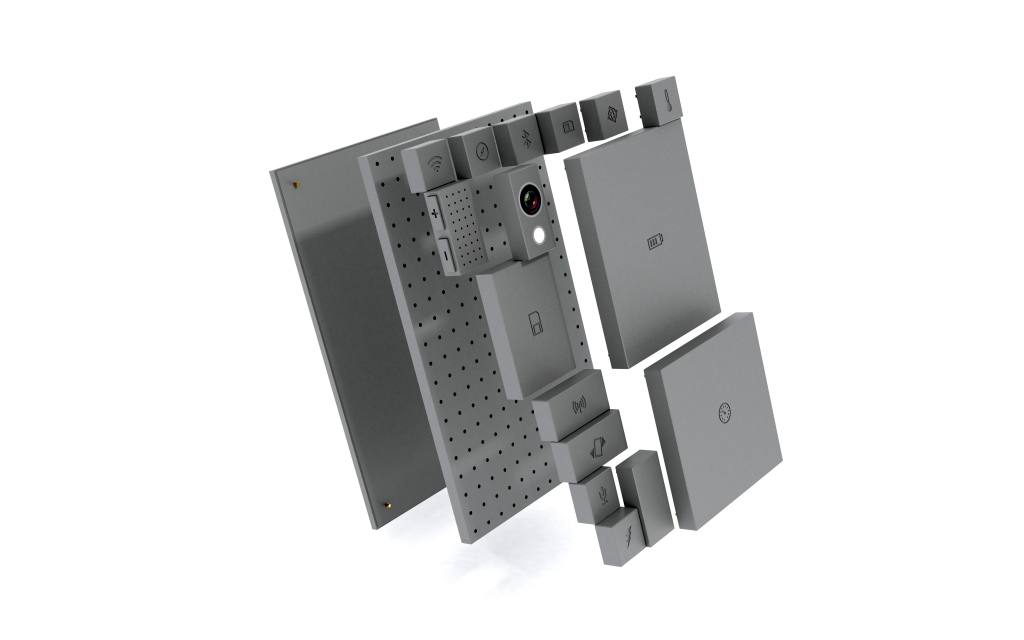
<p style="text-align: justify">However, Google is never complacent to simply rest on their laurels; hence, their announcement of their intention to develop a “modular” Android device. This device, which will cost approximately $50 unsubsidized, will give users around the world access to a contract-free smartphone running the most popular operating system on the planet. The project, known as Project Ara, is a joint venture between Google and a research and development team at Motorola. “When Google sold Motorola,” said expert and entrepreneur Jason Hope, “they held onto the Advanced Technology and Projects division in order to continue development of their modular Android device.” The Advanced Technology and Projects group (ATAP), was a sub-division within Motorola that focused on theoretical and bleeding-edge technology concepts. Although Google hasn’t outwardly admitted it, it is widely believed that they held onto ATAP in order to continue the development of their modular smartphone, as well as to provide continuing support for the device once it is released.</p>
<p style="text-align: justify">The idea behind a modular smartphone is genius, and is a classic example of how Google chooses to innovate. As it stands today, consumers are somewhat limited in the types of smartphones they can purchase. While it is true that there are hundreds, if not thousands of smartphone models on the market, they offer basically the same features on a sliding price scale; the more money you spend, the more and better features you’ll get. However, what if you want a super-HD camera, but don’t need a quad-core processor to play the latest and greatest games in the Google Play store? What if you need a large hard drive for videos and documents, but don’t need a particularly powerful camera? The combinations are endless, and that is exactly the problem Google plans to solve.</p>
<p style="text-align: justify">Google’s modular smartphone is intended to be a simple, inexpensive device that allows the user to upgrade with specific features they want/need. If you are on a budget, you can stick with the $50 model, and can eventually upgrade as funds and needs dictate. On the other hand, you can take a $50 base model and spend hundreds of dollars upgrading it with the latest and greatest technologies, and even upgrade to newer technologies once your current ones are outdated. Google’s intention is to have their modular smartphone sold everywhere, such as convenience stores.</p>
<p style="text-align: justify">In addition to making smartphones that are increasingly affordable and customizable, it appears clear that Google’s intention is to take wireless carriers out of the equation entirely. By making devices affordable on an unsubsidized basis, Google’s modular smartphone can eventually make two-year contracts, and all the negativity surrounding them, a thing of the past. In addition, countries outside the United States (where two-year contracts are far less common) will see increased access to Google’s Android devices at a price most emerging middle class members can afford.</p>
<p style="text-align: justify">By further increasing the ability of Android users to customize their experience around the things most important to them, Google is ensuring their long-term ability to dominate the mobile market. Perhaps we will soon see a modular tablet as well.</p>
<p style="text-align: justify">About Author: Amy Taylor is a business and technology writer. Amy began her career as a small business owner in Phoenix, AZ. She enjoys writing about business technology trends. When she isn’t writing, she enjoys hiking with her Alaskan Malamute, Sam.</p>

Google’s Drive To Make Smartphones Modular