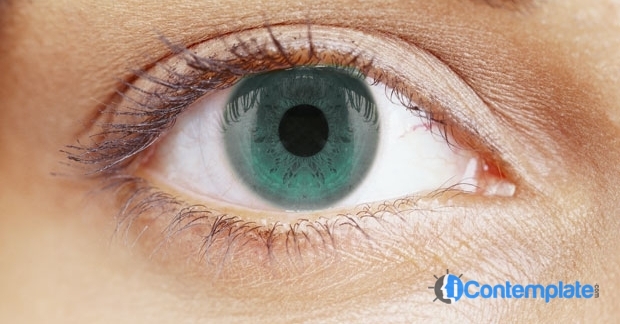

<p style="text-align: justify;">A cataract is characterized as a cloudiness of the eye&#8217;s natural lens, which is found between the front and back areas of the eye. They are a result of proteins clumping together, and are the leading cause of blindness worldwide. As for what causes age-related cataracts, researchers believe it is the result of chemical changes in the proteins in the eye. Possible contributors to these chemical changes include UV exposure, high levels of sugar in the blood and exposure to oxidizing agents.</p>
<p style="text-align: justify;">Symptoms include cloudy or blurry vision, double vision, a sense that colors are faded, halos around lights, more sensitivity to glare, distorted vision that makes it seem like you are looking at objects through a veil.</p>
<h2 class="western" style="text-align: justify;"><strong><span style="font-family: Calibri,serif;"><span style="font-size: small;">Are They Only Found in Older People?</span></span></strong></h2>
<p style="text-align: justify;">With the rare exception of congenital cataracts found in infants whose mothers had certain types of infectious diseases while pregnant, this is a condition that primarily affects older people. By 65, about 50 percent of people have a cataract, and by 75, almost everyone has at least one. They may first appear in your 40&#8217;s and 50&#8217;s, but won&#8217;t become problematic until your 60&#8217;s. While most cases are the result of the aging process, some people may develop cataracts from diabetes, trauma to the eye, the use of steroid medications and radiation.</p>
<h2 class="western" style="text-align: justify;"><strong><span style="font-family: Calibri,serif;"><span style="font-size: small;">Why Does My Doctor Want to Delay Removing My Cataract?</span></span></strong></h2>
<p style="text-align: justify;">When a cataract first forms, it is very small, and almost unnoticeable, causing very little problems. Over time, it grows larger, and cloudier. A doctor will typically wait to operate until it has become larger and significantly interferes with daily living. In some cases, a cataract never needs to be removed. You should visit your doctor regularly to have the cataract monitored and let him know as soon as it is starting to impact your daily life, such as making it hard to drive.</p>
<h2 class="western" style="text-align: justify;"><strong><span style="font-family: Calibri,serif;"><span style="font-size: small;">Is Cataracts Surgery Serious?</span></span></strong></h2>
<p style="text-align: justify;">Like any other type of surgery, cataract surgery does involve risk, so yes, it is serious. But, it is the most commonly performed surgery in the United States, and it is generally very safe. To minimize risk, take great care in <span style="color: #0000ff;"><span lang="zxx"><span style="text-decoration: underline;">choosing a cataract surgery center</span></span></span>.</p>
<h2 class="western" style="text-align: justify;"><strong><span style="font-family: Calibri,serif;"><span style="font-size: small;">How are Cataracts Removed?</span></span></strong></h2>
<p style="text-align: justify;"><a name="_GoBack"></a>The surgeon will make a small incision in the eye. Then, he will either remove the lens as it is now, or use a solution, laser or ultrasound to break it up and then remove it. The back membrane of the lens will remain, and a replacement lens, called an intraocular lens (IOL), is inserted. Sometimes the membrane is removed as well. If the membrane becomes cloudy after removing the cataract, another procedure using a laser to create a clear opening in it, will usually be performed.</p>
<h2 class="western" style="text-align: justify;"><strong><span style="font-family: Calibri,serif;"><span style="font-size: small;">What are Possible Side Effects of Cataract Surgery?</span></span></strong></h2>
<p style="text-align: justify;"><span style="color: #000000;">Like any surgical procedure, there is always the possibility of swelling, bleeding, pain or infection, but serious complications are rare. Your doctor may prescribe medicine to deal with these effects. Retinal detachment is a rare side effect. If you have vision loss, nausea or excessive pain, call your doctor right away.</span></p>

FAQ About Cataracts and Cataract Surgery