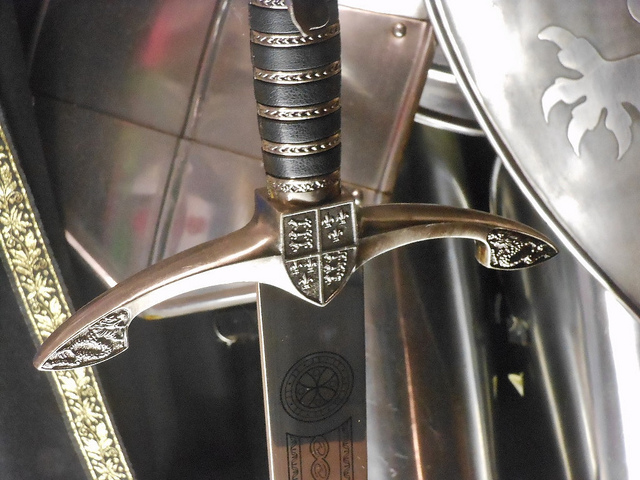

<p>So you&#8217;ve just bought a sword – or a knife – or a decorative blade from your favorite show – or a hardy multi-function hatchet for your next hiking trip. No matter what kind of blade you have bought, you need to know how to take care of it! Proper maintenance of your blade will help ensure it stays shiny, sharp, and well-fitted in its sheath. Unfortunately, too many enthusiastic amateurs ignore blade maintenance and soon encounter problems with rust, dull edges, and other issues. So refuse to be like the crowd and learn the proper methods of protecting your new products.</p>
<p> ;</p>
<p><b>Functional vs. Decorative</b><b></b></p>
<p> ;</p>
<p>Depending on the type of blade that you purchased, you have either a functional or a decorative product. Function blades are sometimes made for looks, but they are also often made for their cutting edge. This edge requires tough, reliable steel made with carbon. &#8220;Carbon steel&#8221; is somewhat of a misnomer, because it can refer to a varying percentage of higher-than-usual carbon in the iron, but all carbon steel tends to be extra-durable and fairly brittle. As you might have guessed, carbon steel needs extra care because it can rust over time, especially in wetter climates.</p>
<p> ;</p>
<p>Decorative blades, meanwhile, are designed for appearance and are typically made of shiny stainless steel. You will not be able to get the same sort of durable edge from this metal, but it is a lot better at resisting rust, so it does not need as much constant maintenance. Keep this in mind when considering blade care.</p>
<p> ;</p>
<p><b>Beginning Steps</b><b></b></p>
<p> ;</p>
<p>When you first buy your blade, it is probably right out of the shop or factory (the exception would be knives and hatchets purchased in specialty or outdoor stores). These blades are typically covered with a layer of grease to help protect them during shipping. A little bit of household cleaner and some work with a rag will eventually remove this grease and prepare your sword for long-term maintenance.</p>
<p> ;</p>
<p>If you have a decorative sword or a shiny blade from a specialty store, you can probably ignore this grease-removing step. Specialty stores offer blades that have already been cleaned, and stainless steel replica blades let you skip this step. For decorative blades, it is still a good idea to clean up the surface with a bit of window cleaner to make sure it is sparkling.</p>
<p> ;</p>
<p><b>The Oil Options</b><b></b></p>
<p> ;</p>
<p>Ah, the choices in oil. Contrary to popular opinion, a lot of options exist that are far better than WD-40 and other household oils. For the best protection, choose a more blade friendly option, including mineral oil, dedicated machine oil, or Choji oil. Apply with a clean rag when possible: some options come in spray cans, but you should still use a cloth to spread the oil around.</p>
<p> ;</p>
<p>It is a good idea to spread this oil around at least once a month to make sure the blade, particularly the edge, is always gleaming with a visible coat. This means that oxygen and water cannot get through and cause rust problems. If you do not have a dedicated sword or machine oil, use whatever is at hand to ensure the coat persists.</p>
<p> ;</p>
<p><b>Long-Term Storage</b><b></b></p>
<p> ;</p>
<p>If your blade only comes out during certain seasons and sees long weeks of cupboards or shelves, you made need to prepare it for long-term care, too. One of the best options is to use something like renaissance wax (used by museums) or Vaseline to coat the blade before sheathing and storing it.</p>
<p> ;</p>
<p><b>Use and Care</b><b></b></p>
<p> ;</p>
<p>In the course of using or showing off your blade, scratches will happen – they are part of life. There are several ways to remove scratches based on their severity. Small, light scratches can usually be dealt with using basic metal polishing products offered by brand name knife companies to buff and remove scratches. Try to find a product dedicate to the type of steel and blade you have. For bad scratches, seek the advice of a professional shop.</p>
<p>Daniel Hilton is a professional blogger that shares his passion with readers for collecting replica weaponry. He writes for Swordsaxe, an online store for replica swords, martial arts equipment Anime collectibles and more.</p>
<p> ;</p>
<p> ;</p>
<p>Photo Source: Flickr</p>
<p> ;</p>

Awesome Ways to Take Care of Your New Blade