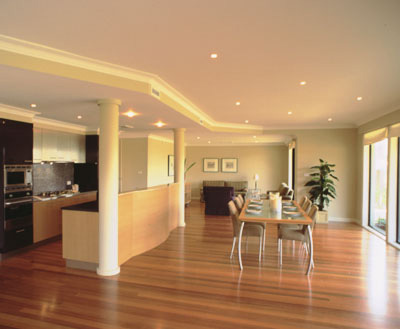

<p>Wood is one of the most popular choices for flooring these days, and there are so many different types on the market it can be difficult to make a choice.<br />
If you want real wood on your floors, you have two choices–solid or engineered hardwood.<br />
It isn’t just your personal choice as to which of these you have;<br />
there are other things to take into consideration as well:</p>
<h1><strong>Solid Hardwood vs. Engineered Hardwood</strong></h1>
<h2><strong>1. Manufacturing Technique:</strong></h2>
<p><strong>Solid hardwood</strong> is made from one solid piece of wood, usually around ¾” thick.<br />
Tongue and groove is the most common form of solid hardwood flooring.<br />
<strong>Engineered hardwood</strong> is made from at least two layers joined together.<br />
Veneer makes up the top part, and a number of layers of plywood, solid or HDF make up the lower part.<br />
These are joined under a great deal of pressure and are usually either click-lock or tongue and groove.</p>
<h2><strong>2. Properties:</strong></h2>
<p><strong>Solid hardwood</strong> floors are completely natural, which means they can be affected by external factors such as temperature and humidity.<br />
If this is the type you choose, you should keep your humidity levels at between 45-55% all year round.<br />
<strong>Engineered hardwood,</strong> on the other hand, doesn’t move very much and is not affected by these external fluctuations.<br />
Humidity levels should be maintained between 40-65% all year round to avoid any problems.</p>
<h2><strong>3. Dimensional Stability:</strong></h2>
<p><strong>Solid hardwood</strong> will expand and contract when the temperature and humidity change, but <strong>engineered hardwood</strong> is much less affected because of the way it has been manufactured.</p>
<h2><strong>4. Durability</strong><strong>:</strong></h2>
<p>Both types of flooring are very hard wearing, but ultimately their durability is affected by the finish you choose for your flooring.</p>
<h2><strong>5. Price:</strong></h2>
<p>Engineered hardwood is not always cheaper than solid natural hardwood.<br />
The cost depends on a number of things, including the size, the glues and fixing used, and how much the lumber cost to buy in the first place.<br />
Installation costs will depend on the type of flooring and where it is being fitted.</p>
<h2><strong>6. Look and Design:</strong></h2>
<p>You don’t have to choose solid wood to get that natural look. Most engineered wood is made from solid wood, but manufactured differently.<br />
Both types can be purchased in the same finishes and colors, so there isn’t a lot of difference.</p>
<h2><strong>7. Plank Width:</strong></h2>
<p>Solid flooring, being subject to changes in the weather, should not be more than 4¼-5” in width, but engineered flooring can be much wider because it isn’t affected so distinctively by weather.</p>
<h2><strong>8. Installation:</strong></h2>
<p><strong>Solid hardwood floors</strong> must be installed using nails or staples, while engineered flooring can be fitted in a variety of different ways, making it more versatile.</p>
<h2><strong>9. Eco- Friendliness:</strong></h2>
<p>If you prefer eco-friendly flooring, choose solid wood. Engineered flooring contains glues and laminates that may affect how it is classed.<br />
If solid wood and non-toxic materials are used, then your flooring will be considered eco-friendly.<br />
At the end of the day, there isn’t much difference between the two types of flooring, so your choice should be based on cost and practicality among other things.</p>
<h5>Featured images:</h5>
<p><span class="license">License: Creative Commons</span><br />
<span class="source">image source</span><br />
Neil Farrington writers articles on Hardwood Flooring and related home improvement projects for NJ Flooring Outlet.<br />
For more details about us, please visit us online at NJFlooringOutlet.com or come into our showroom for more great savings.</p>

When To Buy Solid Hardwood Vs. Engineered Hardwood