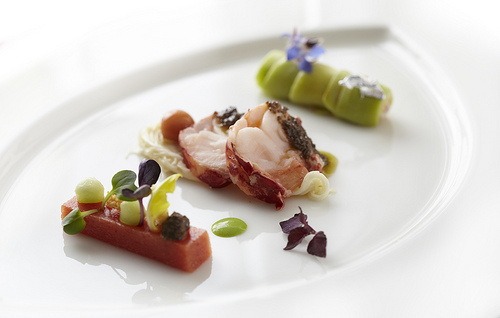

<p>Haute cuisine is famous for introducing some weird and wonderful ideas and approaches to cooking. While some of these remain a secret trademark of one chef or restaurant and others die out as fads, some things that start out as experimental end up making a bigger mark, giving people exciting new food experiences and sparking even further adaptations and ideas.<br />
Here are some unusual concepts currently used by haute cuisine and molecular gastronomy aficionados in some of the world&#8217;s most unique restaurants:</p>
<h2>Slow Cooking</h2>
<p>While slow cooking is not in itself a new or particularly experimental idea, using the science around how meat cooks to try and produce the perfect steaks and other fillets using slow cooking techniques is slightly different from throwing meat and potatoes in a Crock Pot while you go to work!<br />
Experimental food-master and celebrity chef Heston Blumenthal is a huge fan of slow cooking, and prepares one dish at his notoriously quirky restaurant The Fat Duck where he slow cooks a chicken in the juices of one that has been cooked quickly and then discarded. Wasteful, certainly, but the results are apparently incredible.<br />
Heston also offers a recipe to his fans where beef can be cooked over the course of 24 hours at the low temperature of 50 degrees. You are then supposed to blast the surface with a blow torch to get a nice dark, crunchy outside. The cooked beef that results is apparently so soft and tender that it can be cut apart to eat with a spoon.</p>
<h2>Powders</h2>
<p>Restaurants and chefs specialising in “molecular gastronomy”, which is essentially just cooking with a whole load of science involved, have produced a lot of interesting ideas that have started making their way onto restaurant tables; few more so than the concept of food powders.<br />
These aren&#8217;t some space age replacement for food, or something you mix with milk to make a chalky drink, but powders made using malt dextrin and flavour essences to create a dust that is served beside or sprinkled on top of food. These can be created to have extremely intense flavours, allowing for surprising combinations.</p>
<h2>Methyl Cellulose</h2>
<p>Methyl Cellulose is a compound that has been used for a long time in things like pie fillings, because it forms a gel that stops things like fruit mixtures from sagging out of pastry cases during the cooking process.<br />
While this in itself isn&#8217;t very interesting, the effect that it has on ice cream is! By combining a very small percentage of Methyl Cellulose (less than 2%) into the unfrozen ice cream mixture, they add a strange new property to the ice cream where it hardens when exposed to heat.<br />
Spoonfuls of the ice cream base are then placed in hot liquid, causing this reaction before being served. This not only means that the diner gets the odd experience of eating hot ice cream, but also causes the strange effect of causing the ice cream to melt as it cools down!<br />
These are just a few of the fascinating ways unusual restaurant equipment, compounds and techniques are used to create strange yet delicious new dishes, and to improve on traditional ways of cooking old favourites.</p>
<h5>Featured images:</h5>
<p><span class="license">License: Creative Commons</span><br />
<span class="source">image source</span><br />
Richard Maxwell is a foodie to core. He loves discussing cuisines with fellow food lovers and often tries his hand at cooking in his spare time.</p>

The Bizarre Cooking Techniques And Concepts Used In Some Of The World's Most Experimental Restaurants