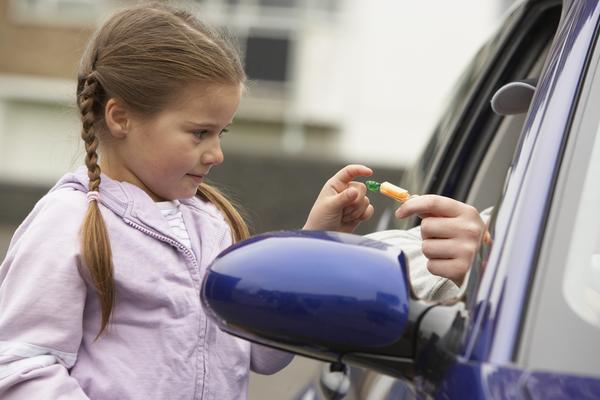

<p>As a parent, it’s your job to prepare your child against the dangers of the world. Young kids are very trusting, and they don’t know of the evils that are lurking out there, which is why it’s extremely important to teach your kids about strangers. There is a fine line, however, between preparing your child and frightening them. You want your child to be cautious, not afraid. You want them to be smart and know how to react in different situations involving strangers. Here are some of the things you should teach your children.<br />
<strong>Who Strangers Are</strong><br />
Your kids need to know who strangers are, and strangers are anyone who is not a member of the family or a friend. It’s important to emphasize that you cannot tell if a person is good or bad just by looking at them, so a stranger’s looks do not indicate whether or not you can trust them. Tell them that even so, most strangers are not bad.<br />
<strong>Safe Strangers</strong><br />
Kids also need to be aware that if they’re in need of help, sometimes they need to ask a stranger for it. In an emergency, it’s okay to ask a stranger for help. Kids should know the difference between strangers and safe strangers. Safe strangers are people like police officers, firefighters, and teachers. Help your child by pointing out safe strangers to them when you’re in public, and tell your child that if they need help to look for a safe stranger. If your child does not know who to ask for help, the safest strangers to ask are women with children.<br />
<strong>Dangerous Situations</strong><br />
You should teach your children to recognize dangerous situations involving strangers. Make it clear to your child that a stranger should never ask a child for help, ask a child to keep a secret, or ask a child to do something that disobeys their parents. If a stranger makes your child feel uncomfortable in any way at all, it is also a dangerous situation.<br />
In order to handle dangerous situations, children should run away and yell loudly. They should never go with a stranger, and they should not talk to a stranger in a dangerous situation except to say, “NO,” as loudly as possible. Your child should then find you or a safe stranger to tell what happened right away.<br />
<strong>Practice</strong><br />
Finally, you should practice acting out stranger scenarios with your children often. Your kids may know what to do in a dangerous situation, but they will feel more confident and prepared if they’ve actually practiced handling it. Role-play with your children, and act out scenarios in which they’re approached by a stranger for help. They should practice saying no, running, and yelling, and they should practice asking a safe stranger for help.<br />
If you practice with your child and help them feel confident about strangers, they will be more likely to be safe in a bad situation. You should also always stress that no matter what, you would never be upset at them for running away from a stranger that made them feel uncomfortable or asking a stranger for help in an emergency.<br />
Susan Wright is a freelance writer that happens to be an experienced veterinarian and a mother. When focus is not on pets, Susan shares parenting tips based on her own life experiences.</p>

Stranger Danger – What To Teach Your Kids About Strangers