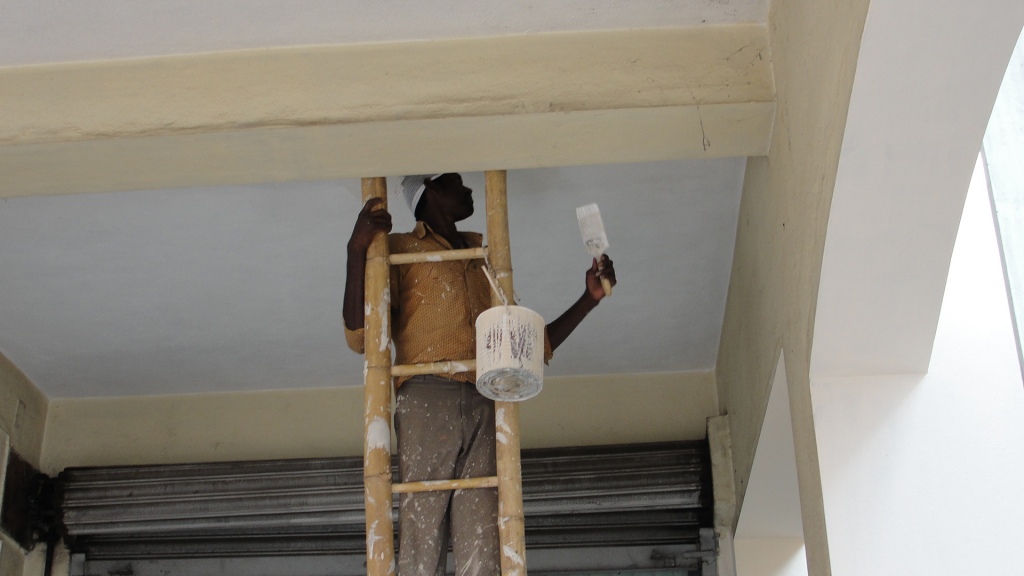

<p><strong>Planning</strong><br />
For every homeowner, there comes the inevitable time when the house needs a new coat of paint. Whether it’s inside or outside the house, the walls and siding will start to chip away due to weather and the change in temperature. Eventually the house is going to start to look bad, and that’s when it’s time to add a new coat of paint. Depending on the type of pain, you can even prevent water damage from rainfall or snow with the right coating. Before doing anything painting related, be sure to check out colors are the nearest local hardware store. Check out their selection of various paint colors and types. Imagine your house with that color. Take samples of the colors and put them next to the wall. Once you determine the perfect color, purchase the paint along with the following:</p>
<ul>
<li>Rollers</li>
<li>Brushes</li>
<li>Latex Gloves</li>
<li>Wall tape</li>
<li>Gas mask</li>
</ul>
<p>This list is given by the painters Sydney north.<br />
<strong>Preparation</strong><br />
Before painting, make sure that your face and hands are covered and that you’re wearing old clothes that you don’t mind getting paint on. Odds are that you will definitely get paint on you the first time. Then grab the wall tape and tape around the region that you’ll be painting in. It’s recommended that you get tape with a bright color that contrasts with the paint color. This applies more to painting indoors rather than outdoors, but any section that has glass or sensitive material should had a tape shield so you’re made aware of where not to paint. Be sure to pop the paint can off with a screwdriver or any tool that’s capable of popping the lid.<br />
<strong>The Painting Process</strong><br />
When painting, make sure to do long, fluid strokes either vertically or horizontally depending on the position that you’re painting in. Don’t brush in a rapid left to right motion because you’ll be left with paint marks that look uneven after it’s all dried up. A single stroke in a single direction is all that it takes. Remember to go slowly. Painting should never feel like a rush job. When using the roller, make sure to roll the paint onto the dish first before applying to the wall. Not doing so will cause paint drops to hit the walls and cause messy marks that can look noticeable afterwards.<br />
<strong>Afterwards</strong><br />
Upon finishing, clean up any remaining wet paint in the area with a wet cloth. Check if you missed any spots; even the smallest spots will look noticeable if you don’t check carefully and leave the paint to dry. Once you’re sure that the painting area has been covered, you can then peel the wall tape off slowly. If there is still paint left in the can, push the lid back on the paint can and put away in a garage or basement to keep for another day. Take all brushes and rollers and have them washed thoroughly. Congrats! You’ve successfully performed a paint job.</p>

Getting Started on Your Home Painting Project