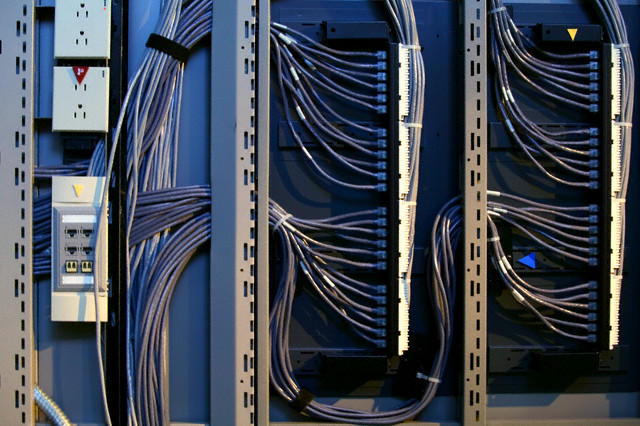

<p>Many homeowners come to view their home as more of a living, breathing organism than an inanimate structure. Although this is probably a romanticized vision, you could draw a comparison between the human circulation system and the electrical wiring of a house. Just like the veins, arteries, and capillaries that supply necessary oxygen and nutrients to the body, electrical wires carry and deliver electricity to meet our ever increasing demands.<br />
But what do you do when something is amiss in the electrical system? Should you sprint to the phone and dial an electrician immediately? Why not make it your next DIY project?</p>
<h3><strong>Why Consider DIY Electrical Repairs?</strong></h3>
<p>You may be thinking, “Why would I mess with electrical repairs myself?” But there are a number of reasons why DIY electrical work is beneficial.</p>
<ul>
<li>Depending on where you live, certified and experienced electricians may be hard to come by. Many electricians are unwilling to take on home renovation/repair projects and limit themselves to industrial jobs.</li>
</ul>
<ul>
<li>If you do manage to identify a willing and available electrician for the job, it’s probably going to cost you a pretty penny. Electrician work is considered highly skilled labor, which is basically code for it doesn’t come cheap.</li>
</ul>
<ul>
<li>Electrical work is also very straightforward in comparison to other home renovation projects. Electricity follows set rules, which means its behavior is predictable.</li>
</ul>
<h3><strong>A Word on Safety </strong></h3>
<p>Electricity can be dangerous if you don’t respect the power it wields. Therefore, it is imperative that you take the proper precautions when engaging in electrical work.</p>
<ul>
<li>If the wiring in your house is aluminum instead of copper, you should leave the wiring work to an electrician. Aluminum wiring will be silver.</li>
</ul>
<ul>
<li>Never, ever reach into a circuit panel with both of your hands —you run the risk of shorting a circuit over your heart. If you happen to be working on a panel, keep one hand in your pocket or hold an object just to be safe.</li>
</ul>
<h3><strong>Fixing Common Electrical Problems </strong></h3>
<p>So the big question is— how can you troubleshoot an electrical wiring problem yourself? Unless there is an obvious cause, you usually have to identify the problem first and then address the issue. Often, electrical problems are simply a matter of tripped circuit breakers.</p>
<h3><strong>1. </strong><strong>Identify the section of your house that has the problem. </strong></h3>
<p>Make sure that the problem affects more than just a single appliance. If you only notice a problem in one appliance then the problem most likely lies within the device itself rather than with your electrical wiring.<br />
Make a note of all the plugs and appliances that are affected. The grouping of the dysfunctional outlets will tell you which circuit breakers may have tripped. When you open the circuit breaker box, look for red marks on the breaker switches which indicate that it was tripped. If a tripped breaker really was the issue, the breaker should correspond with the circuits in the house that you noticed weren’t functioning.</p>
<h3><strong>2. </strong><strong>Turn off everything that is connected to the circuit in question. </strong></h3>
<p>After everything has been shut off, you can reset the breaker. If it continues to trip, it will need to be replaced. If you continue to experience problems (i.e. the new breaker trips), use a 3-prong receptacle tester to test individual sources and identify defective ones.</p>
<h3><strong>3. </strong><strong>Set a new breaker. </strong></h3>
<p>If the new breaker doesn’t trip, plug in appliances and activate lights one by one to determine if a particular outlet or device is causing the breaker to trip.</p>
<h3><strong>4. </strong><strong>When all else fails…</strong></h3>
<p>If you follow the aforementioned steps and are unable to determine the root of the electrical problems, it may indicate a more complex wiring issue.<br />
When engaging in more complicated outlet, wiring, and cord repairs the general rule is that electricity behaves a lot like water —it flows. Also, color differentiates wire types. White usually indicates a neutral wire, black is a hot wire, and ground wires will either be bare copper or green. And remember, your safety is paramount. If you’re in serious doubt, it may be time to dial that electrician.</p>
<h5>Featured images:</h5>
<p><span class="license">License: Royalty Free or iStock</span><br />
<span class="source">source: http://www.corbisimages.com/stock-photo/royalty-free/CBR001787/electrical-circuitry?popup=1</span><br />
Written by Bernard Johnson. Bernard is passionate about social media and HTML coding. He wants to own his own web design company.</p>

Do It Yourself Electrical Work