
<p style="text-align: left;" align="center"><em>“Some people talk to animals. Not many listen though. That’s the problem.”<br />
– A.A. Milne, Winnie-the-Pooh</em></p>
<p><em> </em>People seem to take two opposite extremes when it comes to animals, either they are “just animals,” vicious creatures and unworthy of compassion or they are much better than humans and wonderful. When animals attack a person or pet, that animal is automatically thought of as aggressive, bad, and should be killed. No questions asked, the person was totally innocent, obviously.<br />
In reality, it is incredibly important to understand what provoked the animal attack in order to figure out how to avoid a bad situation in the first place. Regardless of whether or not the animal is “bad” or the human is “bad” or “deserved it,” there are many ways that animals communicate with us before an attack happens. When I say communicate, I mean non-verbally for the most part.<br />
Animals pick up on our body language and communication over time. Humans actually transmit powerful messages to one another through touch and body language versus through words. It is not difficult to understand how animals communicate and what their intentions are in order to avoid animal attacks.</p>
<h3><strong>Scared or Stressed</strong></h3>
<p>The number one reason animals attack is stress or fear. They have the fight or flight response as we do under stressful situations. When an animal is scared, they learn that being aggressive is a good way of scaring off whatever is intimidating them. Consider yourself in a situation where someone unknown enters your home. You’re going to fight or flight. Many people will try to fight off intruders, are they considered aggressive? Often times, the animal is more scared than you are which is why they attack.</p>
<h3><strong>Defending Their Territory</strong></h3>
<p>Our global population continues to explode due to advances in technology and medicine. In 1950, there were 2.5 billion people on earth. In 2010, there were 6.5 billion people. That means 4 billion more people inhabiting the earth, which means much less land for wildlife and more competition for land and territory among animals and humans.<br />
Animals need their territories to hunt and scavenge for food, to reproduce, to live. Humans constantly invade the wildlife domain and create <em>a lot</em> of noise. All of this disturbs and destroys animal breeding grounds. Would you want strangers just walking through your home, raiding your fridge, and destroying your bedrooms? Heck no! You’d kick them out!</p>
<h3><strong>Defending Their Children</strong></h3>
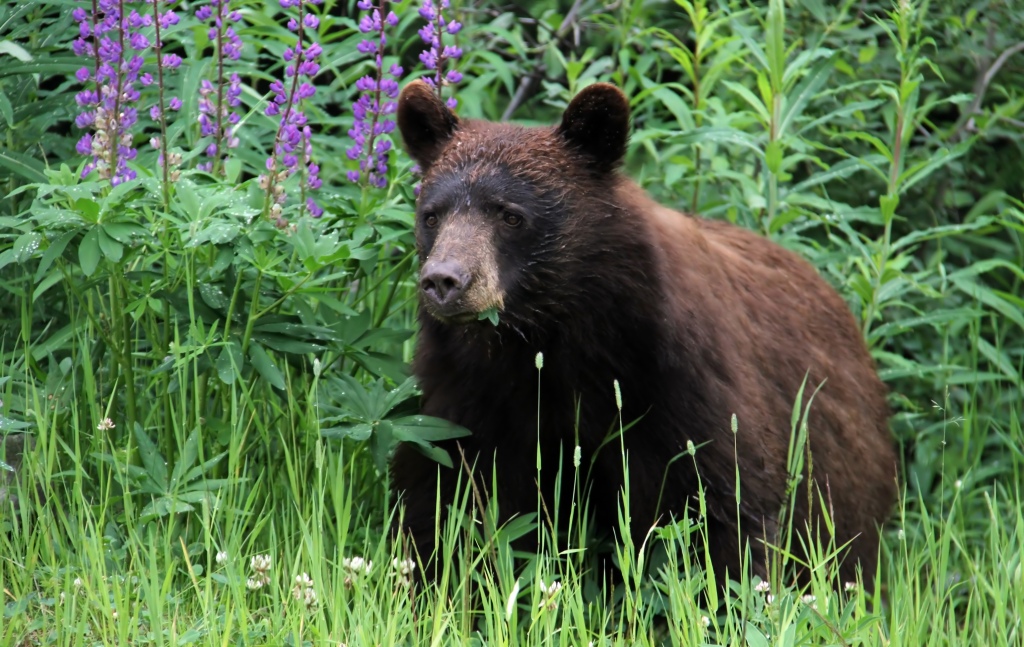
<p>Like humans, if a stranger approaches your home and children, you’re going to scare them off. So if you see a bear cub, stay away from that cute and cuddly little thing. Chances are, the mom is nearby and freaking out about what you are doing so close to her precious baby. Did a dog or cat have a fresh litter of puppies or kittens? Keep your distance unless you are their keeper. Animal moms are much more likely to attack because they have a lot of little lives to protect and there are plenty of predators around.</p>
<h3><strong>Lack of Food</strong></h3>
<p>When food is scarce, it’s more important than ever for animals to protect their territories. They have no idea that you have the convenience of collecting all your food from the grocery store. For all they know, you’re just another competitor for resources. Stash your trash carefully, don’t walk around with a fresh drumstick in the woods and you’ll be good.<br />
However, coyotes are the one animal that will act out aggressively, not defensively. Coyotes are known to attack and nip at people they consider prey, especially small kids. They hunt in packs of 2 or more and howl in the evenings, but more recently, they are prone to attacking during the day.<br />
The scarier thing is that coyotes commonly observe humans and communicate to other coyotes whether or not they think you are weak and easy prey. Stay big and tall, throw rocks, yell, growl, and in this case, carry a big stick if you’re in known coyote territory.</p>
<h3><strong>Domestic Dogs on Small Children</strong></h3>
<p><em>Canis lupus familiaris</em>, our domesticated dogs, (wo)man’s best friend. How is it possible that approximately 4.5 million people each year are attacked by dogs? Half of them are children under 13. As common as dogs are in our lives, people don’t know how to act around dogs. They’ve become the beloved furry child, the status symbol or accessory, or the thing that belongs outside. People forget that first and foremost, a dog is an animal and most attacks occur with familiar dogs.<br />
Adults and children think that dogs completely understand them. The problem is humans don’t understand their dogs. Dogs have bubbles they don’t like popped, they get possessive, have prey drive, and get scared too. People just don’t bother to recognize the ways dogs communicate those feelings to us.<br />
Teach adults, kids, and dogs appropriate behaviors for better communication between the species. Don’t bother the dog while they are eating or chewing on a bone. Don’t approach strange dogs or startle them, especially when they are sleeping. Don’t stare them down as that is intimidating.<br />
Don’t pull on their fur, tails and ears. Many dogs don’t like kids hugging or laying on them. Teach your dog the “Leave it” command. Show them that it’s not a bad thing if you go near their food by dropping treats in the bowl.</p>
<h3><strong>Warning Signs</strong></h3>
<p>Dogs show a lot of warning signs when they are uncomfortable and may attack. Often, dogs will walk away if they are irritated. Don’t chase after them. If they continue to be provoked, usually their ears are pinned back, the fur on their back stands up, they cower or stand forward like they’re about to lunge, they yawn to show off their teeth, they freeze, and there may be intense eye contact. Avert your gaze and walk away.<br />
Many animals exhibit similar behaviors, making themselves look big, pacing, staring, facing directly at you, growling, hissing, etc., back away. Injured animals are more sensitive, grouchy and likely to bite. Back away. Again, if there are offspring nearby, leave the area carefully.</p>
<h3><strong>Precautions</strong></h3>
<p>There are many precautions you can take to avoid an animal attack. Congratulations on completing the first one―understanding why animals attack. Avoid wild animals and strange dogs and cats. Don’t go outside after dark, especially near open space. Carry a stick when you’re hiking and don’t leave food outside. Get extra credit by reading more into animal communication and what to do when you encounter certain types of wildlife. Lastly, remember that animals are just trying to survive, just like you and I.</p>
<h5>Featured images:</h5>
<p><span class="license">License: Royalty Free or iStock</span><br />
<span class="source">source: http://www.sxc.hu/photo/1400449</span><br />
The author of this article is Erin Tran. If you enjoyed this piece you can follow me on Twitter @JadeFable. When I’m not learning about animal behavior and psychology, I’m reading up on animal attacks in Colorado and gaining insight from a personal injury attorney on the situations.</p>

Common Reasons Animals Attack