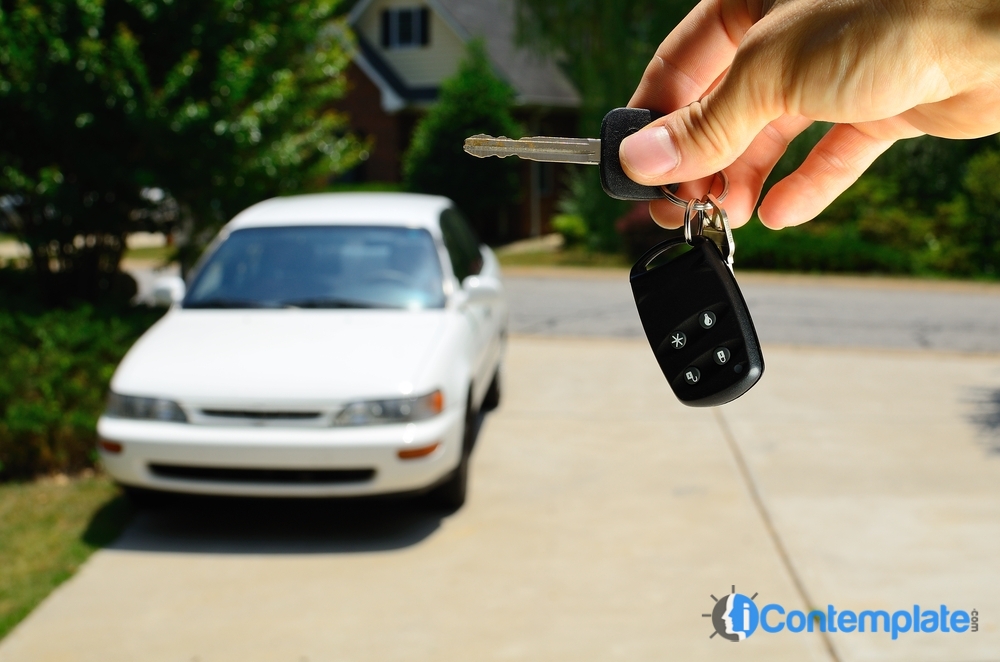

<p>Buying a new car is an exciting time, whether you’re a teenager investing in your first set of wheels to learn in and (hopefully) get some independence, or someone who has been driving for several decades just looking for a change, something a bit different, it makes no difference. Every time you walk around a car dealership, or browse through the cars for sale in the local paper, you want to have that sense of excitement that you’re going to be buying an exciting new motor.<br />
The thing is, it doesn’t have to be a brand spanking new model to get you excited, there are plenty of Toyota dealers in NJ and all over the States that will offer perfectly good used Toyotas, and the Japanese manufacturer is not the only one. It’s a common misconception that a used car is a tired, worn out model that nobody wants, when in actual fact customers are doing just what you are – looking to upgrade to something different and there is nothing at all wrong with the vehicle itself.<br />
While it is a misconception that certain used cars are ‘wrecks’ or ‘old’, there are a number of factors that you need to consider when you arrive at any used car dealership – whether it’s a specified Toyota dealer, a Ford dealer or even a private seller.<br />
The first of which is that you need to take a long, hard look at the service history. Yes, it may be the case that the car was sold or is up for sale because the previous owner wanted to upgrade or downgrade to a newer or more fuel-efficient model, but it may just be that there have been a lot of issues with it. The service history would provide details on the full extent of any problems, specifying the work that has already been carried out on the car and also whether it has been in any major accidents, which may have caused issues with the chassis. This kind of information should prompt any prospective buyer to breathe a sigh of relief, or run a mile, depending on the content of the documents.<br />
Another important consideration needs to be around the price. If you’re buying a used car over a new model, you might be doing so because you only have a certain amount of cash available so you need to set a budget, and stick with it. Many people make the mistake of setting a budget for their new car, spending that sum on the vehicle, and forgetting the extra costs such as insurance. Make sure that you get a good deal on the car by asking other dealerships or experts what they would pay for a similar vehicle, and be sure to get a number of different insurance quotes that fit your budget.<br />
Your final major checks should take place under the hood. Many petrol heads look underneath to see the size of the engine, but you should be looking for anything that might seem untoward. For instance, you need to take a look at the vehicle identification number (VIN) and make sure that this matches the one in the logbook – if it doesn’t, it could be that the car has been stolen or that it’s a “cut and shut” where major work has been done to the chassis, possibly even merging two different cars. Also, take a look underneath the vehicle for any signs of leaks including water, fuel and oil. The work needed to repair any leaks can be expensive and could be the difference between you signing on the dotted line and leaving the car on the forecourt.<br />
<i>This article was written by Amanda Walters, an experienced freelance writer and regular contributor to Huffington Post. Follow her here: </i><i>@Amanda_W84</i></p>

Buying a Used Car – What to Look For, What to Avoid