
<p>Unless you’ve been living under a rock, or perhaps are simply against shopping in grocery stores,<br />
you’ve probably heard the hype about coconut water lately.<br />
The newly coined “miracle” drink has become increasingly popular in the past few years.<br />
You may be wondering whether all the hype is fact or merely fiction.<br />
Here is a brief history and some of the benefits of this tasty beverage.</p>
<h2><strong>Origin</strong></h2>
<p>Unlike coconut milk, which is simply a mixture of coconut water and<br />
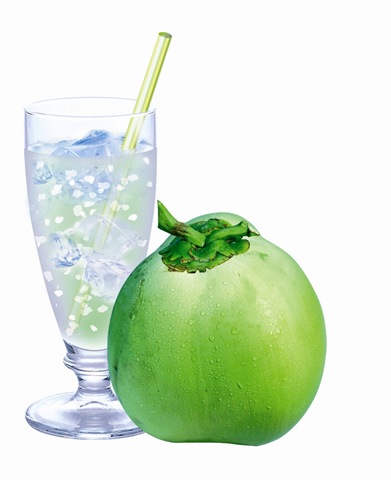
shaved coconut, coconut water is found in young green coconuts and has a sweet, nutty taste.<br />
Fresh coconut water is easy enough to get if you happen to have access to a few coconut trees or live in Hawaii.<br />
The Hawaiians have been cracking open coconuts for centuries and enjoying the sweet fresh flavor.<br />
If you ever do happen to make it to Hawaii, it’s a delicious treat not to be missed.<br />
And the fresh variety is unpasteurized which means<br />
it contains enzymes that clean and detoxify the body.</p>
<h2><strong>Electrolytes</strong></h2>
<p>Even if you don’t have access to the fresh stuff, coconut water found in the store or at local eateries and restaurants, still has its benefits.<br />
Chock full of electrolytes, coconut water is heavy in potassium and vitamins and is a great choice for body hydration, especially when exercising, spending time in the hot sun or even during a dreaded hangover type situation.<br />
The potassium alone can counteract the effects of a high-sodium diet, which can cause high-blood pressure and hypertension.</p>
<h2><strong>All Natural Sugars</strong></h2>
<p>If you spend a good amount of your time reading lables, you’ve probably noticed the sugar content in coconut water.<br />
However, unlike sodas, juice and other sweetened beverages, the sugar content is considerably lower in coconut water (nearly 80 percent) and all natural.<br />
However, some coconut water varieties have added flavors or juice such as guava, mango or pineapple, so be aware that they do have added sugars.<br />
Stick to the good old all natural coconut water and stay away from unnecessary calories.</p>
<h2><strong>Low Calorie</strong></h2>
<p>A naturally fat and cholesterol free beverage, coconut water is endorsed by nutritionists, dieticians and fitness trainers galore.<br />
It has fewer calories, less sodium, and more potassium than a sports drink.<br />
Ounce per ounce, most unflavored coconut water contains 5.45 calories, 1.3 grams sugar, 61 milligrams (mg) of potassium,<br />
and 5.45 mg of sodium compared to Gatorade, which has 6.25 calories, 1.75 grams of sugar, 3.75 mg of potassium, and 13.75 mg of sodium.</p>
<h2><strong>Taste</strong></h2>
<p>You may be wondering, well this all sounds too good to be true. It must taste terrible. Well thankfully, this isn’t the case.<br />
Coconut water is refreshing and has a sweet, nutty taste.<br />
And if you want to add your own flavors without adding too many extra calories, simple add a strawberry, raspberry or blueberries to it, this adds a minimal amount of calories and a lot of flavor.<br />
Still not convinced? Another advantage to coconut water is its low cost.<br />
Grab a few bucks and head down to your neighborhood market and try it out. Be sure to select one that’s already chilled, a better alternative to the room temperature variety.<br />
A freelance writer, Wendy Kellison learned about the benefits of coconut water when she visited the Bula Kava House, a kava store in Portland, OR</p>

Benefits Of Coconut Water Equals Yum