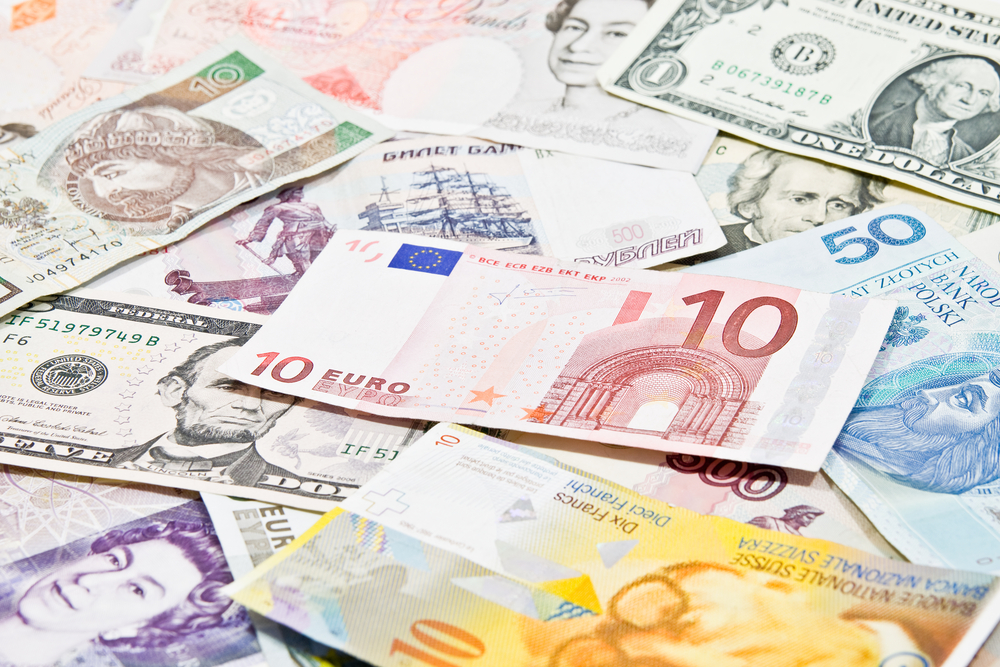

<p>When you’re making foreign currency transfers, the amount you’ll get for you money will constantly change. Currency markets and exchange rates are prone to such fluctuation that from one month to the next, you could lose out on a significant chunk of money. Now, how frustrating would that be?</p>
<h2>Give me an example</h2>
<p>OK. At the beginning of 2013, someone transferring £10,000 into euro would have got around €12,300 as per World First US and official figures. At the beginning of September, they’d have got around €11,700. So, by waiting a few months, they’d have missed out on €600. That’s a lot of money to lose out on, and ups and downs like that are the nature of the beast when you’re dealing with the currency markets.<br />
So how do I know when the exchange rate will be at its best?<br />
The answer is – you don’t. In fact, nobody really knows where the markets are heading. We get experts and analysts telling us what they think is going to happen, and sometimes they get it right, but they don’t know for sure. By all means, listen to all advice, but don’t take it as read.</p>
<h2>So what can I do then?</h2>
<p>Well, but what you can do is strike while the iron’s hot – when the exchange rate is favourable to you &#8211; and fix that rate for a point in the future. This is what’s called a forward contract. Most currency exchange companies will be able to give you one of these. So if the exchange rate takes a turn for the better, and moves to a point where it would get you more money than it would have done for a while, you can fix it and keep that rate for up to three years in some cases.</p>
<h2>How does it work in practice?</h2>
<p>Well, let’s use the example from before. If you made that £10,000 transfer on the first day of every month, fixed at the exchange rate available on 1<sup>st</sup> January, after six months, your £60,000 would have got you €73,800. If you transacted on the first day of every month at the exchange rate available on the day – the spot rate – you’d have got around €70,800. So by fixing the rate on the 1<sup>st</sup> January for the months ahead, you’d have got an extra €3,000 in six months than if you’d made separate transactions every month.</p>
<h2>Surely it can go the other way too</h2>
<p>Well, yes it can. You may find that you’ve fixed an exchange rate for months and years ahead, and from that point, the rate just continues to go against you, and you lose out rather than gain from fluctuations in the market. It’s just one of those things. But while it may be really annoying to see that you could have got more for your money, at least you’ll know that should things change, you can’t lose any money. Also, you can budget ahead, safe in the knowledge that nothing’s going to change.</p>

Avoiding the Risks of International Currency Transfers