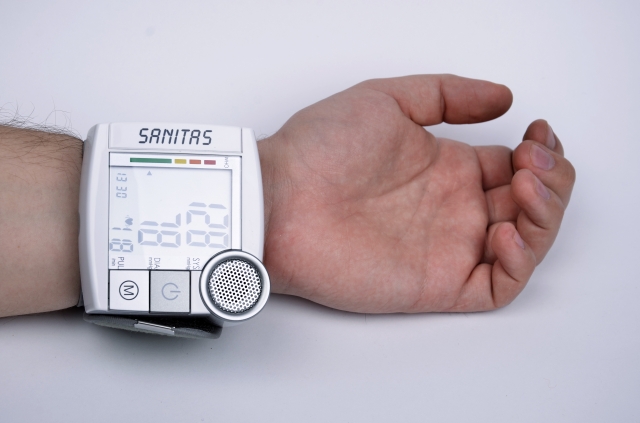

<p>You can’t live without blood pressure. Blood pressure—it keeps you alive. If you’ve got no blood pressure, you’re dead. When the heart pumps, it pushes blood through the arteries at a particular pressure. That’s the top measurement (the high point) of the blood pressure, and it’s called the systolic blood pressure. That pressure, measured as the blood surges through, reflects the pressure when the heart is pumping, which it does somewhere between 50 and 100 times a minute.<br />
(How often the heart beats is another story. If the heart is pumping fewer times per minute, it usually means it’s fitter. And when your heart is fitter, it’s more muscular and stronger and it can pump more blood per beat, which means it’s more efficient. So if your heart is pumping more slowly to start with, when you expend energy and your heart rate fires up you can produce more energy and you get less tired.</p>
<h2>The fitter you are and the lower your resting heart rate, the more energy you have as the day goes on.</h2>
<p>It’s a simple thing that many people don’t understand: if you’re sitting down and your heart is already banging away at 90 times a minute, you don’t have much capacity to produce energy for long periods, so you become tired halfway through the afternoon.)<br />
Now back to blood pressure. When the heart relaxes between beats, the pressure drops. It doesn’t drop to nothing; it drops to what we call the diastolic level, which is a level lower than the systolic. Someone with training can actually hear these different sounds—pumping, resting—through the stethoscope. It’s all to do with the ebb and flow of the blood going through the arteries because of the heart’s pumping action.<br />
Generally speaking, if you’re considered low risk, the blood pressure should be less than, say, 140 for the top figure, and definitely less than 90 for the bottom one. And every tick or point above those levels gives you a higher risk associated with heart disease, heart attack, and stroke. Especially stroke.<br />
So it’s prudent to keep your blood pressure below 140 over 90. Of course, 130 over 85 is better, and 115 over 75 is sensational. The best way to reduce blood pressure is to have fewer blood vessels for the heart to pump the blood through. And given that every few pounds of fat require miles (true!) of additional blood vessels, why would you be overweight? Why add those miles and miles of extra pipes, putting the pressure up and making the pump work harder, which leads to higher blood pressure and a higher risk of stroke?<br />
I repeat: take your heart for a walk around the block, climb stairs, forget the valet parking, and move at every opportunity. Get the weight off, lose those excess miles of blood vessels, tone up the 600 or so muscles in your body, and bring your blood pressure into the “healthy” zone. And let me tell you this. When you have achieved that transformation, you’ll know all about it. You’ll feel terrific!<br />
When you’re under pressure, you probably breathe with only the top third or half of your chest, quickly and inefficiently. You breathe 10 to 15 to 20 times a minute, typically. When the pressure’s really on and you’re either pumped or irritable, one of the two, you breathe in a more shallow fashion. The air is going up and down, yes, but you’re not really getting much oxygen in your lungs because a lot of it is just moving up and down in the dead space of the windpipe. By breathing in with your diaphragm, however, you need only 4 or 6 breaths a minute instead of 10 or 20. This gives you a lot more oxygen per breath, as well as helping you relax and lowering your blood pressure.</p>
<h5>Featured images:</h5>
<p><span class="license">Image credit MyBlogGuest.com</span><br />
Bispo is a professional writer that loves to write about health and fitness.</p>

All About Blood Pressure