
<p>An Indian wedding is a remarkable sight; complete with glitz, and splendour and plenty of people happy and gay. The popular rituals held during the wedding make the event memorable and unique in every sense of the word. The most important factor in an Indian wedding is this &#8211; the marriage of two families, rather than just the man and the woman involved. Hence the Indian wedding is usually presided over by the elders in the family and they supervise everything, right from deciding on the date of the marriage to the execution of the entire ceremony. However, in modern times, both the bride and the groom take the responsibility of their marriage and listen to the advice of their elders. This makes it special giving it a unique blend of old and the new.<br />
An Indian wedding is almost like a carnival; the rituals are dynamic and fascinating portraying the cultural significance the region. Have a look at Indian wedding rituals that are practised in almost all the cultures within the country.</p>
<h2>Applying the Mehndi and the Pithi in the Indian wedding</h2>
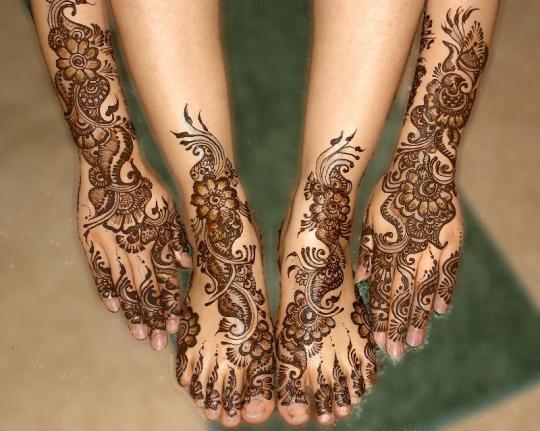
<p>You must have observed intricate drawing on the bride&#8217;s hands and feet. This orangish-brown painting is also called henna and is applied a few days before the Indian wedding. The mehndi has important significances in an Indian wedding. The henna itself has medicinal properties, which will calm and soothe the Indian bride before her wedding. And not without wonder too; brides are a bundle of nerves when it comes to their wedding. The other noted significance of the mehndi is this: it is through the degree of shade of the henna that most people predict the Indian bride&#8217;s happiness in her in-laws home. The darker the color the happier she is going to be.<br />
Applying of the pithi is another auspicious event in the Indian wedding. This is applied to the bride and the groom a day before the wedding. Pithi is actually a yellowish paste that is made of rosewater, chickpea flour and turmeric, and is meant to even skin tone and remove blemishes.<br />
Here is a great website that I came across while searching for my life partner. Try it, http://vysyaswayamvaram.com/.</p>
<h2>The Indian wedding ceremony</h2>
<p>This ceremony is also called the mandap ceremony, where the bride and the groom stands/sits in their respective position in a cloth-like tent. The four pillars of the mandap signify the parents of the bride and the groom, showing their support and love. It is within the mandap that the priest chants the major hymns and rituals. It is here that the bride and the groom performs their sacramental 7-round walk around the Vedic fire, where the bride&#8217;s father does the &#8216;Kanyadan&#8217; and where the groom places the mangal sutra made of gold and black beads(promises of lifelong-protection and security) around the bride&#8217;s neck. The groom also applies the vermillion powder on the bride&#8217;s forehead. After the ceremony, the couple proceeds to get the blessings from the elders in the family and the priest who performed the Indian wedding. The rest of the guests shower blessings on the couple.<br />
Once all the ceremonies are completed, the guests move on to enjoy a sumptuous feast.</p>

A Quick Run Through The Rituals In Indian Wedding