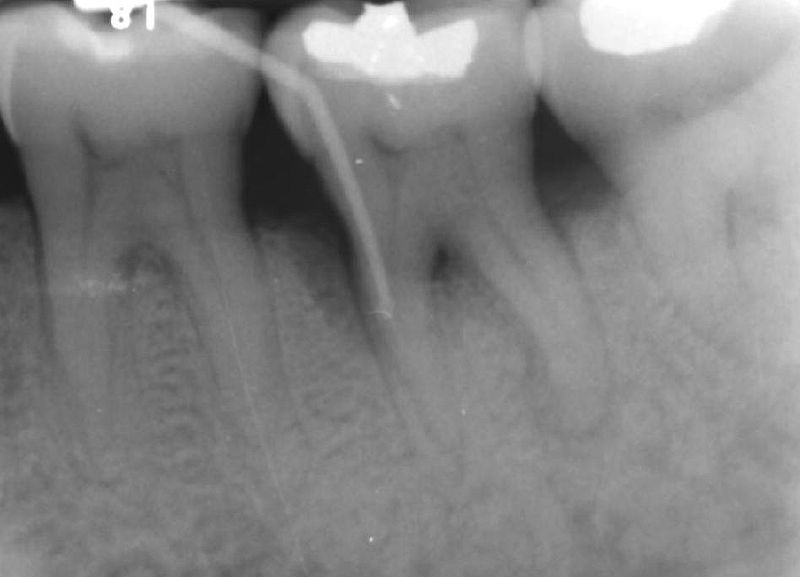

<p>For many people, just the words &#8220;root canal&#8221; are enough to cause an upsurge of dread. While it&#8217;s understandable that no one should actually want a root canal, it&#8217;s also true that some of the anxiety surrounding root canals is due to a simple lack of information. Here are seven things you need to know about having a root canal:</p>
<h3><strong>You may not know you need a Root Canal.</strong></h3>
<p>During a dental examination, your dentist will perform a number of tests to identify teeth that are either dead or on their way out. It is likely that you won&#8217;t even feel these teeth, as their nerve endings are no longer sending pain signals to your brain.<!--more--></p>
<h3><strong>You don&#8217;t have to Wait to be in Pain for a Root Canal.</strong></h3>
<p>We all know the stereotypical root canal scene: someone in extreme pain is forced to bite the bullet and have a root canal in order to escape the suffering. However, the truth is that a good number of root canals are performed on dead teeth, which have no feeling at all.</p>
<h3><strong>Root Canals Hurt.</strong></h3>
<p>Oftentimes, root canals alleviate pain. They really shouldn&#8217;t hurt, as you will be given plenty of numbing and pain medication before and after the procedure. For many people, the fear of a root canal can lead to a perception of pain, even before the root canal is performed.</p>
<h3><strong>Your Root Canal may Take more than One Session for Completion.</strong></h3>
<p>Although it is understandable that you should wish for as expedient a process as possible, there are several factors that will determine just how many times you will have to sit in the dentist&#8217;s chair to complete your root canal. These factors include the extent of the damage/infection in your tooth, the level of difficulty involved in extracting your tooth, and whether or not your case has complications that require the care of a specialist (called an endodontist).</p>
<h3><strong>Tooth Restoration is not Part of the Root Canal Procedure.</strong></h3>
<p>After your root canal, your teeth will need to be restored to their best shape so that they can function optimally. While this is a necessary follow-up to the root canal procedure, it is not a part of the procedure, itself, and it may take a number of additional visits to complete.</p>
<h3><strong>Teeth don&#8217;t stay Healthy After Root Canals.</strong></h3>
<p>Again, this comes down to the restoration process. Teeth that break after a root canal are generally teeth that were not properly restored or maintained with healthy fillings. You may, later on down the line, find you need other repairs or dental implants.</p>
<h3><strong>There is No Proof that Root Canals Lead to Bacterial Infections</strong>.</h3>
<p>A study performed over a hundred years ago seemed to support the belief that bacteria could get caught in the tooth socket during a root canal, leading to infection, and the bad reputation stuck. However, current studies show that this simply is not the case.<br />
Did any of these points surprise you? If so, it&#8217;s likely you&#8217;ve been holding off on that visit to the dentist for fear of the dreaded root canal. Fear not. As it turns out, root canals aren&#8217;t so bad, after all.<br />
<em>Image credit: Wikimedia Commons</em></p>

7 Things You Need To Know About Having A Root Canal