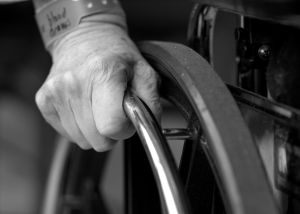

<p>A stroke is one of the most serious, and potentially damaging, medical conditions one can suffer from. The damage to the brain can be severe, and in some cases, a person may never fully recover. The road to repair can be long and arduous. Stroke caregivers will certainly have a lot on their plate and this new role may seem overwhelming. But, with some education and a commitment to still taking care of your own well-being, you can navigate this complicated role with greater ease. Here are some tips for caring for someone recovering from a stroke.</p>
<h2>Know the Path is Different for Everyone</h2>
<p>There is no one set path to recovery when it comes to a stroke. Many individual factors come into play and it is important to avoid comparisons to other people who have suffered strokes. The amount and part of the brain affected, the person’s general health and the patient’s own motivation in recovering are just a few examples of the things that can affect the course of rehabilitation. Just try and be patient and know the experience is different for everyone.</p>
<h2>Familiarize Yourself with the Rehabilitation</h2>
<p>If your loved one is attending rehabilitation therapy, it would be a good idea to attend a few sessions to see what the therapist is doing. In knowing what the therapist is trying to help the person achieve, you will know better when to encourage your loved one to do something on his own or when you should step in and help. Taking an active part in their therapy at home can help foster a sense of independence and achievement, which can go a long way in spurring further progress.</p>
<h2>Prepare Yourself for Changes</h2>
<p>After a stroke, your loved one may experience a lot of changes in terms of personality and emotions. This may be due to damage in a particular part the brain, their reaction to what has happened and how it has affected them, or perhaps a little bit of both. This can be uncomfortable for you to experience, and you may have a hard time seeing your loved one suffer, but it is important to do your best to remain patient; let them grieve and express their feelings. You may not have the right words to comfort them, but listening and hugs can go a long way. On a related note, you want to be on the lookout for depression, which can affect between 30 and 50 percent of survivors. Depression can seriously impact recovery and you want to address it as quickly as possible. Be sure to ask the doctor about the signs to look for.</p>
<h2>Minimize Risk for a Second Stroke</h2>
<p>Suffering one stroke automatically increases the likelihood of suffering a subsequent one. As a caregiver, it is vital to minimize this risk as best you can. Make sure your loved one is taking medications as prescribed, exercising regularly and eating healthy, low-fat meals. Keep the home smoke-free. Do not miss appointments with doctors and therapists.</p>
<h2>Take Care of Yourself</h2>
<p>This last tip is essentially applicable to any sort of caregiver; all too often, the needs of the caregiver are pushed aside, which results in disastrous consequences including physical illness, depression, anxiety, anger and resentment. You may feel guilty about thinking about yourself, but the more you tend to your own needs, the better off your loved one will be as you will be able to take better care of him or her. Arrange for respite through a service, or other friends and family members. Do your best to eat right and find the time to exercise, even if it is just a 20-minute walk around your neighborhood. Go online to connect with a variety of caregiver resources, such as listing of local support groups.<br />
Kelli Cooper is a freelance writer who enjoys blogging about a variety of health topics; she recommends visiting Lift Caregiving for more information on caregiver resources.<br />
Photo Credit</p>

5 Stroke Caregiver Tips