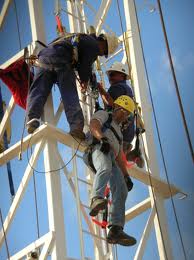

<p>Training is all about improving safety and awareness on-site, and increased productivity and profitability through knowledge and experience.<br />
<strong>Safety harness training</strong> courses can be individually tailored to your workplace, the specific job, and suitability of equipment. Working at height requires an understanding of the hazards of the operation and the environment where the job is being done. The operative must be vigilant and be willing to take great care, not just of himself but also anyone else around the site.<br />
A safety harness training course for height work must be designed for anyone whose job requires them to work at height, and which requires the need for height safety equipment to do this work safely and effectively. The main aims of a harness course should be simple to understand but effective, ensuring that all main subject areas are considered. Harness training courses should concentrate on what the candidate needs to know for the nature of the job applications and site environments. Clear regard should be given to the level of competency of the individual to ensure that they are fully competent and able to identify the hazards and risks involved. They should have the knowledge, experience and skill to work safely at height. The outcome should be that candidates leave the course being able to recall the information, being aware that it is personal to them and their own safety. Once the harness safety training course has finished the candidates should be competent to work at height safely and be able to identify hazards and risks, backed up by theoretical knowledge and practical experience.<br />
A theoretical and practical assessment should be carried out to ensure that delegates are aware of inspection procedures and how to put on and adjust harnesses and lanyards.<br />
On a safety training course aimed at working at heights you should expect to learn all about Health &; Safety Laws and Regulations. You should also learn about the responsibilities of the employee and the employer.<br />
Safe working at heights covers things such as working on a roof or working on scaffolding so whether you are a brick layer or solar panel installer this is the type of training you should be looking at.<br />
You should expect to get both practical and hands-on experience so that you are well prepared for working at heights.<br />
Typical issues are people forgetting to wear protective clothing and helmets as well as equipment not being checked. These types of things should all be covered in your training.<br />
Look for a training company that is recognised by the governing body of the specific training you are doing; for example IPAF, PASMA or UKATA. This way you can be confident that the training course should be to the correct standard.</p>