
<p>In recent years, our pet dogs are living longer than ever. Better nutrition and medical attention are ensuring many canines now live well into their late teens. Pet owners should be aware of several important factors that can improve the quality of life for their older dogs.<br />
<strong>Canine Arthritis in Aging Pets</strong><br />
Osteo-arthritis is the most common reason for veterinarian visits among older dogs. Almost all canines will develop arthritis to some extent as they age. Some breeds suffer from the disease more than other. Usually, larger breed dogs, because of the added weight and stress on their joints, will have more arthritic symptoms than smaller breed dogs. Symptoms of this joint disease include problems standing from a setting position, problems negotiating steps, and occasional limping.<br />
If a veterinarian diagnoses the disease, he or she may suggest several actions and/or treatments. First and foremost, it is important that older animals do not become overweight. Extra weight can aggravate the disease and even advance its progression. As for medications and supplements, there are both prescriptions and natural supplements which can ease the symptoms of arthritis joints. Although, the prescriptions medications can be highly effective, they also can cause rather significant side effects. Veterinarians should educate pet owners as to what side effects to be aware of. Natural supplements are quite safe and without serious side effects usually. Glucosamine is the most popular joint supplement for dogs and has been shown in numerous research studies to reduce the symptoms of joint arthritis in dogs.<br />
<strong>Exercise and the Older Dog</strong><br />
Older dogs rarely get enough exercise. Unfortunately, older age in canines usually brings about more hours spent sleeping and a more sedentary life. It is the pet owner’s responsibility to ensure their older pets receive plenty of quality exercise. Regular, long walks can add several years of better quality to a pet’s life. Additionally, proper exercise has been shown to also decrease the symptoms of canine arthritis in aging pets. However, it’s important to understand that some dogs, even in older age, still think they are young puppies. Many older dogs never lose their love for rambunctious playing. If owners are not careful, it is easy for older dogs to “overdo it” and end up injuring themselves accidentally while playing. Regular limping after play sessions is a sure sign the senior canine is over-exerting him or herself.<br />
<strong>Proper Sleep for Senior Dogs</strong><br />
Not only do older dogs sleep more, it’s important for their health that the quality of sleep is as high as possible. Old bones appreciate a soft place to sleep! Few things are more important to an older dog than having a comfy and cozy place to sleep. They are not picky; a few old carpets or rugs, an old pillow, a pile of old clothes, or an expensive “doggy bed” will work just fine for aging pets to sleep on comfortable. Their sleep will be greatly improved with a soft bed to cushion their aching joints. Also, it is important to ensure older dogs have a warm place to sleep.<br />
A cold winter night, while sleeping on the bare ground, is no place for an older canine. Cold, harsh conditions faced on a nightly basis definitely lead to shorter and lower quality lives for canines. Responsible owners always provide a warm and comfortable place for their aging pets to sleep.<br />
<strong>Regular Visits to the Veterinarian</strong><br />
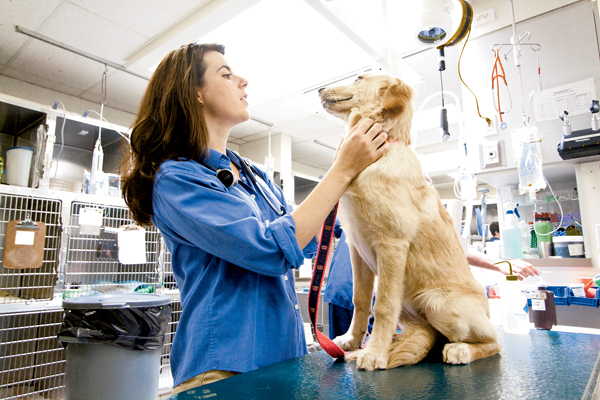
All dogs should get a yearly checkup at the very least. However, older animals will benefit greatly with twice yearly or even quarterly visits to the vet. However, not all veterinarians are educated equally in all areas. It is vital that pet owners find a small-animal veterinarian who specializes in dogs and cats. Small-animal doctors, in lieu of general type veterinarians who see all sizes and types of animals, are better equipped and usually more knowledgeable in treating canines. These regular visits often include routine blood testing.<br />
Older animals will often develop disorders such as diabetes and thyroid disease. These diseases can usually be treated quite effectively when they are found early. Additionally, cancer is quite common in older dogs and veterinarians will often detect small lumps and masses during manual exams. Many of these detected masses can be removed early which will eliminate or at least delay the progression of cancer.<br />
<strong>Include Plenty of Love</strong><br />
This is the easy part and what dog owners enjoy the most about owning a pet. Older dogs, more than ever before in their lives, enjoy and can greatly benefit with plenty of extra special attention. Calm, gentle affection, on a regular basis, ensures that older dogs maintain a healthy and happy emotional state. In turn, this love shown to older dogs is rewarded by giving us even more years to spend with our old, loyal friends<br />
Visit Steve Weber&#8217;s blog for more information about caring for older dogs.</p>

Older Dogs Need Plenty Of Tender Loving Care