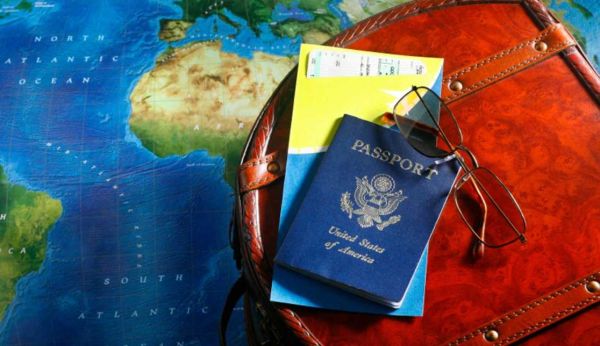

<p>Identity fraud is one of the fastest growing crimes in the UK. It seems that as technology is progressing faster than we are able to secure it, tech-savvy criminals are finding it all too easy to access important data, making them able to create and recreate everything from bank accounts to passports: giving them access to finance, debt and every other thing you can achieve with an identity. So how do you make sure your identity is safe?<br />
<strong>1.) Paperwork</strong><br />
Bank statements, credit card bills, even council tax and electricity account numbers can all act as proof of identity and address. Leaving these things in their full form when you dispose of them is a quick and easy way to get your personal account information to a would-be identity thief, so dispose of your personal details carefully. Instead of tearing letters up and putting them in the bin, use a shredder or a fire to make sure that there is no way anyone can recreate, copy or use your account numbers to keep your identity safe.<br />
<strong>2.) Protect pins and logins</strong><br />
We all forget pins from time to time, and so it is very tempting to write them down somewhere for quick and easy access “just in case”. Common places are on your computer desktop, mobile phone, or a little piece of paper jammed “somewhere secret” in your wallet or bus pass. Do not do this! Writing down your information makes getting that information into the wrong hands very easy. It takes approximately 5 minutes to find a cashpoint and withdraw cash using a pin, and only one extra minute to change that pin and lock you out – so commit your pins to memory as soon as you get them and never, ever write them down.<br />
<strong>3.) Keep your wits about you</strong><br />
Another way that would-be identity thieves can extract your identity is by inviting you to hand them over. This can be achieved with fake emails (known as “phishing”) or with phone calls: “could you confirm your name, address, date of birth and pin number please?”. Whilst it is true that banks do sometimes call and email their customers, anything that requires you to hand over information should be treated with suspicion. If you are worried that the bank is genuinely trying to contact you, you can always hang up on the caller, ignore the email and get in touch with your bank yourself to make sure the contact is genuine.<br />
<strong>4.) Chop up your plastic!</strong><br />
When you go to a bank or any other financial institution to open up an account, traditionally you are asked to provide two forms of valid ID, which can be your passport, driving lience, and a utility bill or bank statement. What this means is that a simple recreation of any of these items will mean someone who is not you can walk into a bank and open an account, take out credit cards, loans, mortgages and overdrafts, all unbeknown to you until the bills start coming through your letter box. Therefore, if you are discarding any items which cannot be shredded, such as out of date plastic credit cars, debit cards or expired passports: burn them, or shred them up as well as you can, discarding different bits in different bins at different times to make sure there is no way they can be copied or reproduced in any way shape or form.<br />
Ben writes for a law firm specilising in Guernsey image rights. He loves to share useful tips online.</p>

How To Protect Your Identity