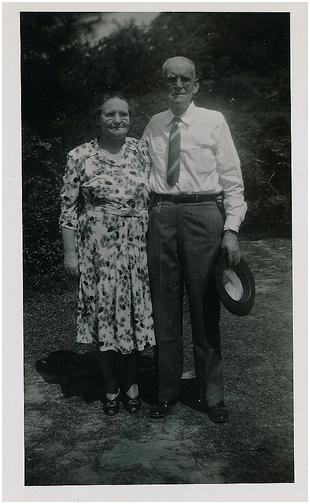

<p>In the 21st century, people don’t need to spend all day in the library to be able to find out more about their family history. Creating a family tree is free on some popular ancestry sites today, however many people decide to do the research on their own.<br />
It is common for people to get stuck on one branch of the tree and face challenges finding a particular piece of information. The below guide will give you some tips on how to overcome the obstacles and find that missing link.<br />
<strong>1. Connecting with All Relatives</strong><br />
The fact that you don’t know one particular detail about your family history does not mean that someone else on your tree doesn’t. You can connect all of your living relatives online, using social media. Search for people on Facebook and use the app: We’re related. It will help finding family members who might have more information about one particular detail.<br />
<strong>2. Online Reports</strong><br />
There are different sites where searches can be made for missing links in the family tree. Examples include magazine archives, birth records from the library, and databases. Some of these services cost money and you would need a subscription. The government’s own records are accessible for all residents, but ancestry sites charge a membership fee to access databases.<br />
<strong>3. Family History Blogs</strong><br />
When searching for a family member, it is a good idea to try and locate a related family history blog. Searching for the surname and date, or location on popular blog sites could provide results related to the particular missing link. It might be that the blog is not created by a relative, however if their ancestors lived in the same city or village at the same time, so you can find out more about where to start the research. Remember; there are many communities out there set up to help each other with their research.<br />
<strong>4. Family Research Wiki</strong><br />
This site provides free advice on finding records and research tools in most countries. It is a supportive community and you will find many useful tips on it concerning things like how to make connections, accessing records and organization. You can even ask the experienced members questions for free, and they are sure to point you into the right direction.<br />
<strong>5. Genealogy Gems</strong><br />
The Podcast called Genealogy Gems is popular among people trying to find the answers to their ancestry questions. They have a website, Twitter feed, and Facebook page, where you can ask questions and connect with people. You have to remember that there are literally millions of people trying to find the missing link in their family and someone somewhere has been in your shoes before. Using social media can truly help you connect with people who will support you on your path to discovering your past.<br />
<strong>Have you ever tried to find a long lost relative or friend?</strong><br />
<strong> </strong></p>
<h5>Featured images:</h5>
<ul>
<li> <span class="license">License: Creative Commons</span> <span class="source">image source</span></li>
</ul>
<p>Laura Wolf is an online writer and blogger, educating people about the benefits of social media, security online and networking. She writes for White Pages.</p>

How To Find Long Lost Family Online