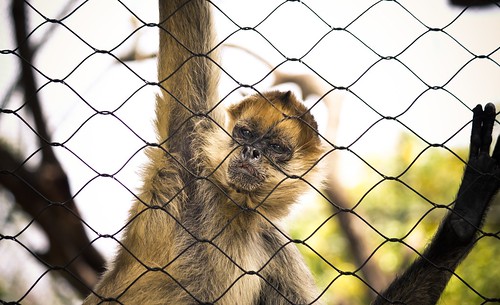

<p>Many animals have sacrificed themselves in order to improve people&#8217;s lives. When you look at yourself in the mirror as you apply your favorite lipstick, have you ever wondered how this came to be or if its production involved animal testing during the very early stages of research and development? When you go to a hospital and have some tests done, have you ever considered how experts have refined these medical methods? Several products, as well as medical equipment and procedures, have all become widely and conveniently available to us because of animals. Before we saw our favorite lotions in stores and before certain medical methods were used, a number of these were first tested on animals.<br />
<strong>What Is Animal Testing?</strong><br />
Animal testing is a controversial issue. Simply put, it is the use of animals in experimentation; thus, it&#8217;s also known as &#8220;animal experimentation.&#8221; It is used in medicine to determine how live beings react to certain medicines, treatments or procedures. Many individuals, even some who are against animal testing, agree that animals have greatly aided scientists in determining cures for certain diseases or conditions. For instance, it is thanks to dogs that Dr. Frederick Banting and his assistant, Charles Best, discovered insulin and learned how it can be used to remedy diabetes. All in all, countless medical breakthroughs have been made possible because of animal testing.<br />
It seems that animal testing may be acceptable to some as long as it is used in validating test results regarding medicines, vaccinations or surgical procedures that, if successful, will save thousands or millions of lives. But if animal experimentation is performed in relation to cosmetics, many find this malevolent. To them, the lives of animals are wasted when these are used to verify if a certain cream is effective or if a lipstick color is not harmful.<br />
<strong>3Rs of Humane Experimentation</strong><br />
Scientists and government agencies that regulate research and development have expressed their concern about animal testing. This is one of the reasons why they have come up with the 3Rs &#8211; replacement, reduction, and refinement. To practice a more humane method of animal testing, those who are tasked to use animals in experiments must refer to these guidelines.<br />
<strong>1. Replacement</strong><br />
As much as possible, scientists are encouraged to use other methods to validate test results instead of using live animals. So, if they can avoid using live creatures or utilize non-animal methods, then they should do so.<br />
<strong>2. Reduction</strong><br />
Here, the fewer animals used the better. It is considered as more humane if researchers only use a small number of live creatures if they need to. In addition, scientists should make the most of the animals already in use. They should extract as much information as they can from such creatures instead of getting new &#8220;guinea pigs.&#8221;<br />
<strong>3. Refinement</strong><br />
Refinement pertains to polishing procedures or substances used in order to minimize an animal&#8217;s pain, distress or suffering. In many ways, this helps in uplifting animal welfare. When methods used are perfect or almost perfect, these eliminate adverse or painful reactions, death, and animal suffering. Furthermore, when scientists are encouraged to refine their work first before testing, this will aid in speeding up the process of experimentation and makes products or procedures ready for clinical trials (human testing) more quickly.</p>
<h5>Citations:</h5>
<ul>
<li>Steven / Alan. &#8220;Eighty Eight|Three Sixty Five&#8221;. May 11, 2011. Online image. Flickr. December 17, 2012.</li>
</ul>
<h5>Featured images:</h5>
<ul>
<li> <span class="license">License: Creative Commons</span> <span class="source">image source</span></li>
</ul>
<p>Claire Lance is a freelance writer. She covers many topics, including product safety testing, market research, and manufacturing. She also blogs for Professional Testing &#8220;EMI&#8221;, Inc. which offers several testing services to various businesses and commercial companies.</p>

Animal Testing: Why It Is Done