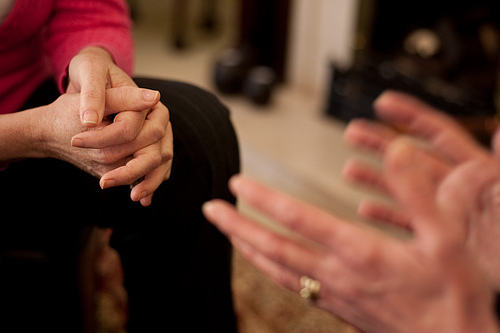

<p>People can learn a lot by using the techniques professional counselors use. From conflict resolution to a more harmonious relationship with your spouse, these concepts not only allow us to learn more about others, but about ourselves. Many of these techniques are so simple we use them every day, but the trouble is that we don&#8217;t use them to their full potential. Here are five simple but extraordinarily powerful techniques that can help you be a more effective advocate, friend, lover, employee, or boss. Try them for yourself and see how these techniques can change your life and your world!<br />
<strong>1. Listen.</strong><br />
This one word is so simple, but encompasses something much more complex. Many people think hearing is the same thing as listening, but this simply isn&#8217;t the case. Hearing means passively noticing sound in a given area. Actual listening is another matter entirely, because it involves an active exchange of ideas and thoughts between the listener and the speaker. Chances are you&#8217;ve done this during a meeting where your input was important or during a professional symposium where you asked a question. Learning to apply active listening to every situation isn&#8217;t always easy, but can facilitate smoother relationships.<br />
<strong>2. Nonverbal Communication</strong><br />
Ninety percent of communication is nonverbal and covert, rather than overt. An example of overt nonverbal communication would be a wave, but the covert communication of a smile, a frown, one&#8217;s posture, or an eye tic speaks volumes about the emotional state of the participants. These can be valuable signs that a negotiation or a conversation is going well or poorly, and this kind of communication gives a number of important hints about what to do, and not do, to get the conversation back to a more neutral or positive track. Nonverbal communication doesn&#8217;t take training so much as it requires an understanding of the people and personalities involved.<br />
<strong>3. Mirroring</strong><br />
Matching someone&#8217;s body language is something many people do automatically. A smile is met with a smile, a frown with a frown, and hostile body language elicits a defensive or hostile response. Because we have been trained from birth to react to a given body language set in a given way, this happens automatically. However, this matching behavior is not always the best way to resolve a conflict. Mirroring can be effective, but one should also know how and when to project calming body language to defuse a hostile situation.<br />
<strong>4. Ask, Don&#8217;t Tell.</strong><br />
If you&#8217;ve ever asked someone how they were and then really listened to the answer without trying to anticipate what it would be or taking this question as a mere social convention, you&#8217;ve done this. Many professional counselors ask follow-up questions such as &#8220;What do you think?&#8221; or &#8220;How does that feel to you?&#8221; This technique has a lot in common with active listening, but the critical difference is that you&#8217;re encouraging the person speaking to think about their answers rather than offering rote responses like &#8220;Fine.&#8221; This creates a real dialogue rather than a one-sided monologue and allows the speaker to volunteer more valuable information.<br />
<strong>5. Rephrase.</strong><br />
Paraphrasing a speaker&#8217;s words shows you&#8217;re really listening to them and that you understand what they&#8217;re trying to convey. By rephrasing what someone else said, you can also explore the underlying assumptions (&#8220;I don&#8217;t think your secretary likes me&#8221;) and come up with practical solutions that are appropriate to the time, place, and circumstances.<br />
None of these exist in a vacuum. They are most effective when they are used together. When this happens, you&#8217;ll find your social interactions becoming easier and more rewarding, too!</p>
<h5>Featured images:</h5>
<ul>
<li> <span class="license">License: Creative Commons</span> <span class="source">image source</span></li>
</ul>
<p>Diane Douglas is a family counselor and guest author at Top Counseling Schools, a site with guides to top-rated online counseling degree programs.</p>

5 Professional Counseling Techniques Everyone Should Use